Espoo, Finland – March 12, 2026 – Visual Components today announced the launch of Visual Components 5.0, a major upgrade to its 3D manufacturing simulation and robot offline programming software platform.
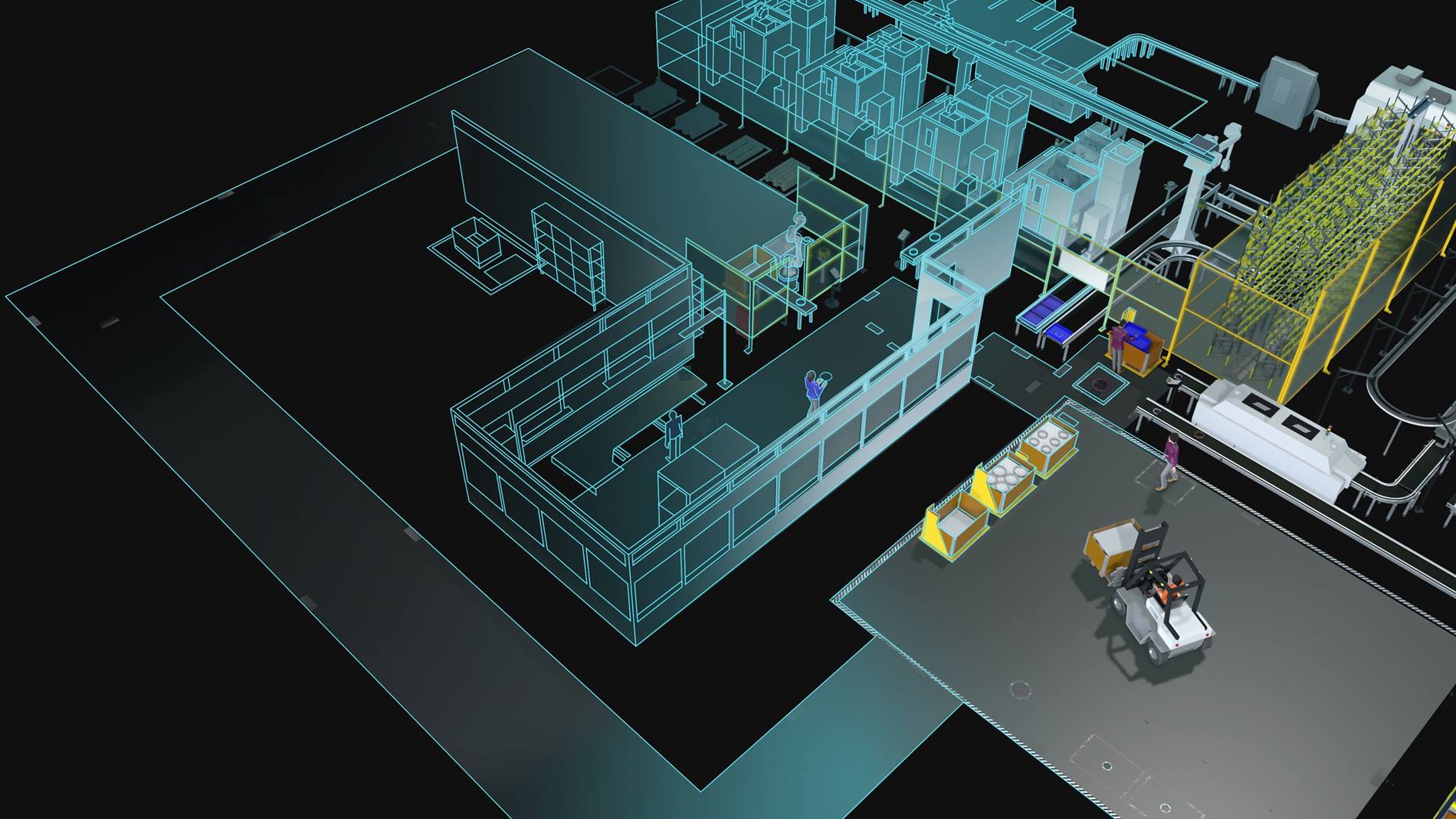
The update helps manufacturers design and optimize production systems in a fast-changing industrial landscape, one where planning decisions increasingly start in the digital world. Visual Components 5.0 arrives as manufacturers worldwide race to reshore production and automate operations amid supply chain shifts and labor shortages. It provides an all-in-one digital environment for factory layout planning, process simulation, robot offline programming, and virtual commissioning, enabling companies to test and refine their ideas in a risk-free virtual space before committing on the shop floor.
These upgrades enable manufacturers to bridge digital and physical production more seamlessly, integrating automation and control systems into virtual models to validate processes with greater confidence.
About Visual Components
Visual Components is a KUKA Group company and a pioneer in 3D manufacturing simulation. The company is a trusted technology partner to over 2 400 leading brands and 40 partners globally, offering machine builders, system integrators and manufacturers a simple, quick and cost-effective solution to design and simulate production processes and robot offline programming (OLP) technology for fast, accurate and error-free programming of industrial robots.