Select your location:

Location

New Research Platform for Robot-Assisted Friction Stir Welding

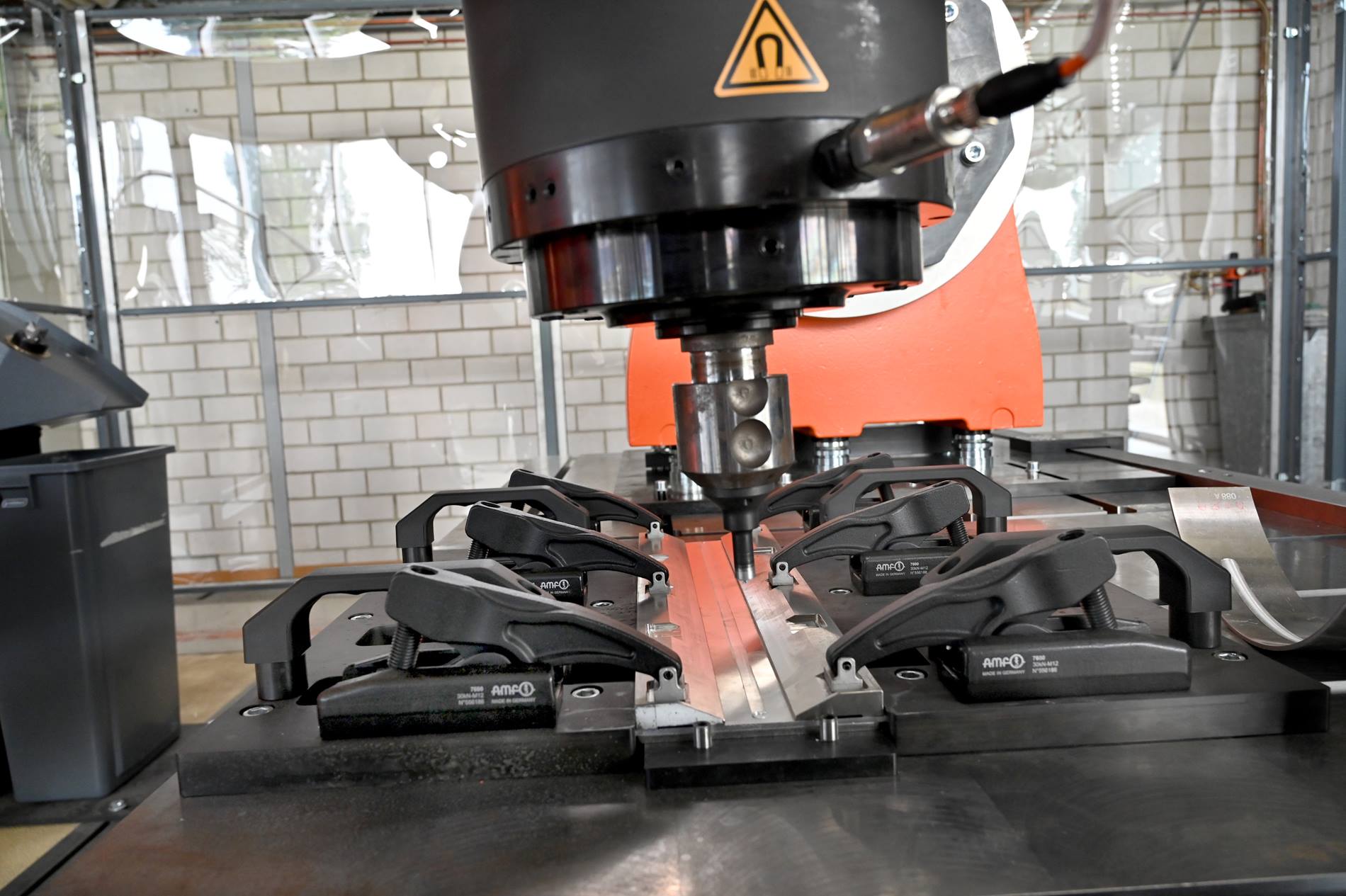
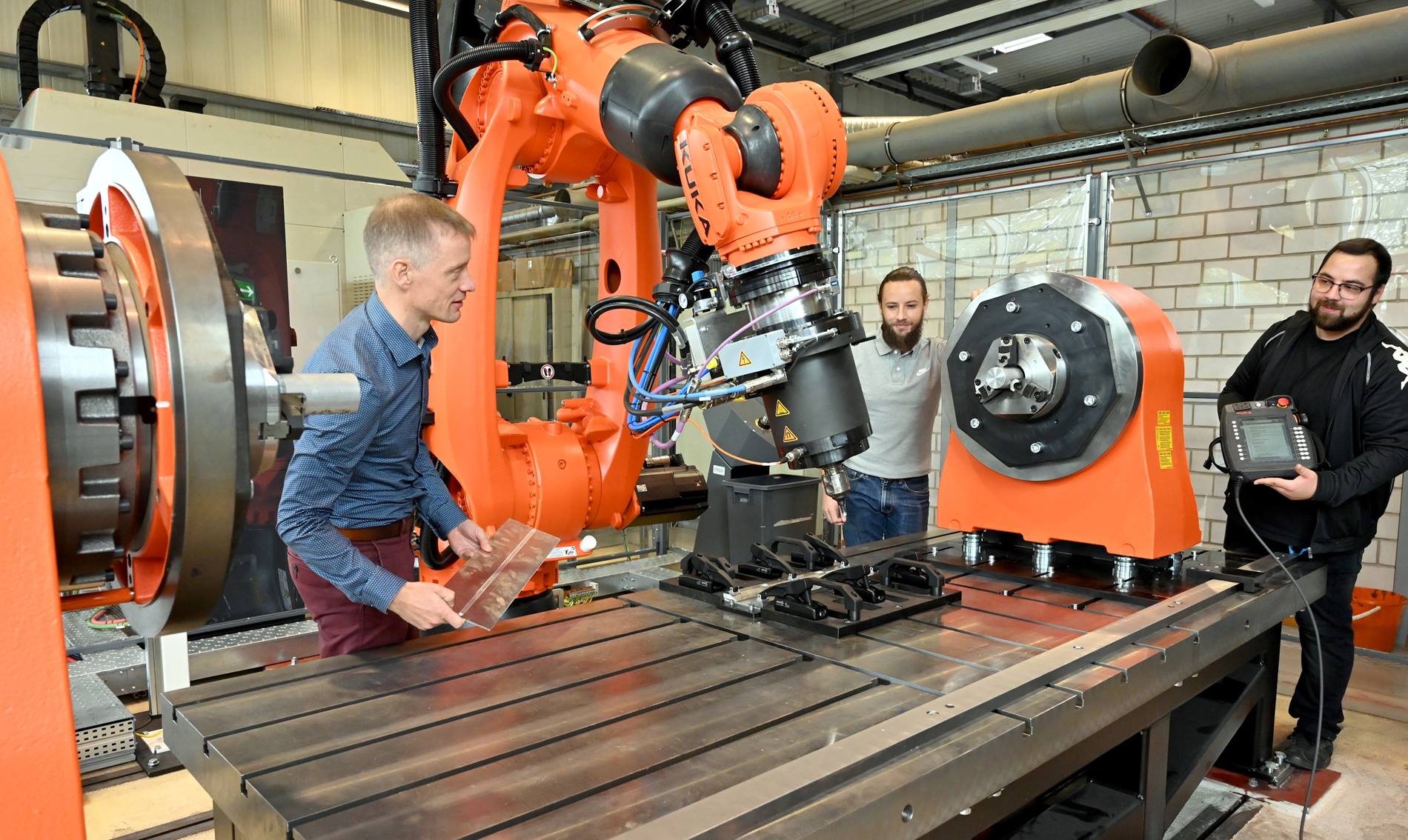
With a new research cell for friction stir welding (FSW), the University of Applied Sciences in Magdeburg-Stendal, together with KUKA Systems AWS, is expanding its capabilities for developing and testing innovative manufacturing processes. At the heart of the system is the new KR FORTEC ultra MT, which was specifically developed for high-load FSW and machining applications. The combination of industrial robotics, digital technologies, and scientific research is designed to accelerate the path of new applications from development to production.

24 September 2026


Research under real production conditions

With the new system, the university is deliberately using an industrial platform rather than a conventional laboratory solution. This allows processes and applications to be studied under conditions that will also be relevant in subsequent industrial production. The findings are intended to help companies evaluate new FSW applications more quickly and transfer them into practice more efficiently.

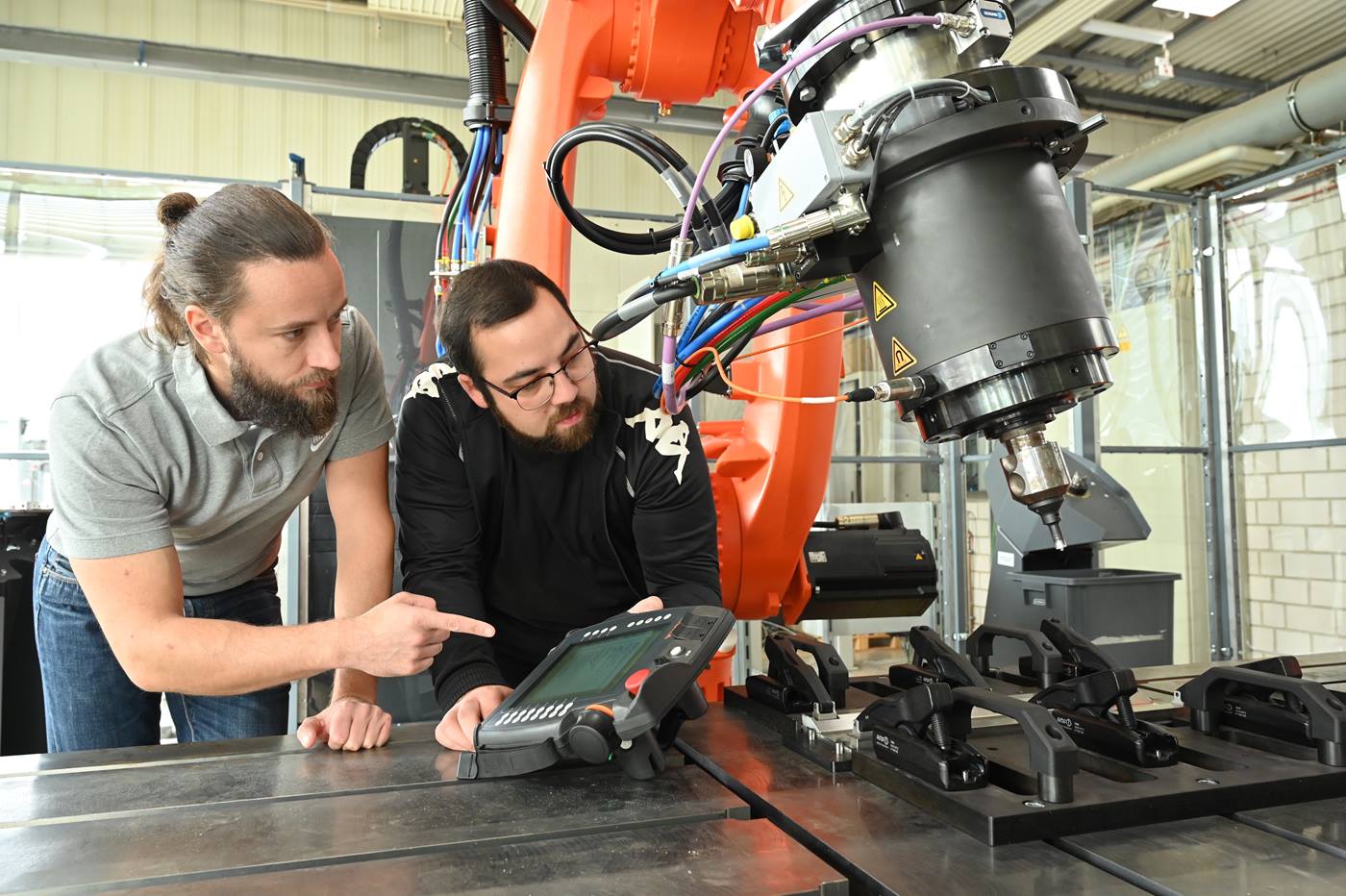
With the KR FORTEC ultra MT, we are bringing industrial FSW technology directly into research. This creates the foundation for developing new manufacturing processes under real-world conditions and accelerating their subsequent implementation in production. In addition, the robot cell provides ideal conditions for teaching, for example, as part of laboratory courses for our Mechanical Engineering, Mechatronics, and Industrial Engineering and Management degree programs

Prof. Dr.-Ing. Frank Trommer, Director of the Institute of Mechanical Engineering at the University of Applied Sciences in Magdeburg-Stendal.

New robot generation for demanding FSW processes

The KR FORTEC ultra MT was specifically developed for applications that require high process forces, rigidity, and precision. It expands the possibilities of robotic friction stir welding and opens up new potential for complex components and demanding manufacturing tasks. The system combines friction stir welding and milling in an integrated platform. This allows complete process chains to be developed, optimized, and validated in a single environment.

With the new system, the university is deliberately using an industrial platform rather than a conventional laboratory solution.

“It was particularly important to us to equip the university with the latest technology. In particular, the combination of optimized hardware and software, together with the digital twin and the ability to capture comprehensive process data, completes the overall concept,” said Thomas Schmidt, Technical Sales, KUKA Advanced Welding Solutions.

With a new research cell for friction stir welding, the University of Applied Sciences in Magdeburg-Stendal is expanding its capabilities for developing and testing innovative manufacturing processes.

Digitalization accelerates industrialization

Another focus is the comprehensive digitalization of research processes. With the help of a digital twin and continuous data capture, new processes can be planned, analyzed, and optimized virtually before being transferred to real-world production.
The combination of robotics, process expertise, and digital technologies creates a powerful development environment that accelerates research projects and facilitates the transfer of new manufacturing technologies into industrial applications.

Learn more about what the KUKA Group has to offer