používate yastaralú verziu prehliadačaInternet Explorer. prosím zaktualizujte prehliadač na novšiu verziu
“We are at the beginning of a decade of profound technological transformation”
KUKA Group CEO Christoph Schell on Physical AI and Automation 2.0 – and KUKA’s strategic role in a new industrial phase.
Carolin Hort
21. apríla 2026
Imagine
Čas čítania: 5 minút
Christoph, KUKA is talking about a new era of automation: Automation 2.0. What exactly is changing right now?
Christoph Schell: “We are currently experiencing a fundamental shift. Production is moving geographically. There are many reasons for this, but we are seeing customers in markets such as the United States, India, Vietnam and Thailand accelerating their growth – supported by strong entrepreneurial spirit, rapid tech adoption, speed of execution, major infrastructure investments, and the ambition to increase the share of local components in their bill of materials.
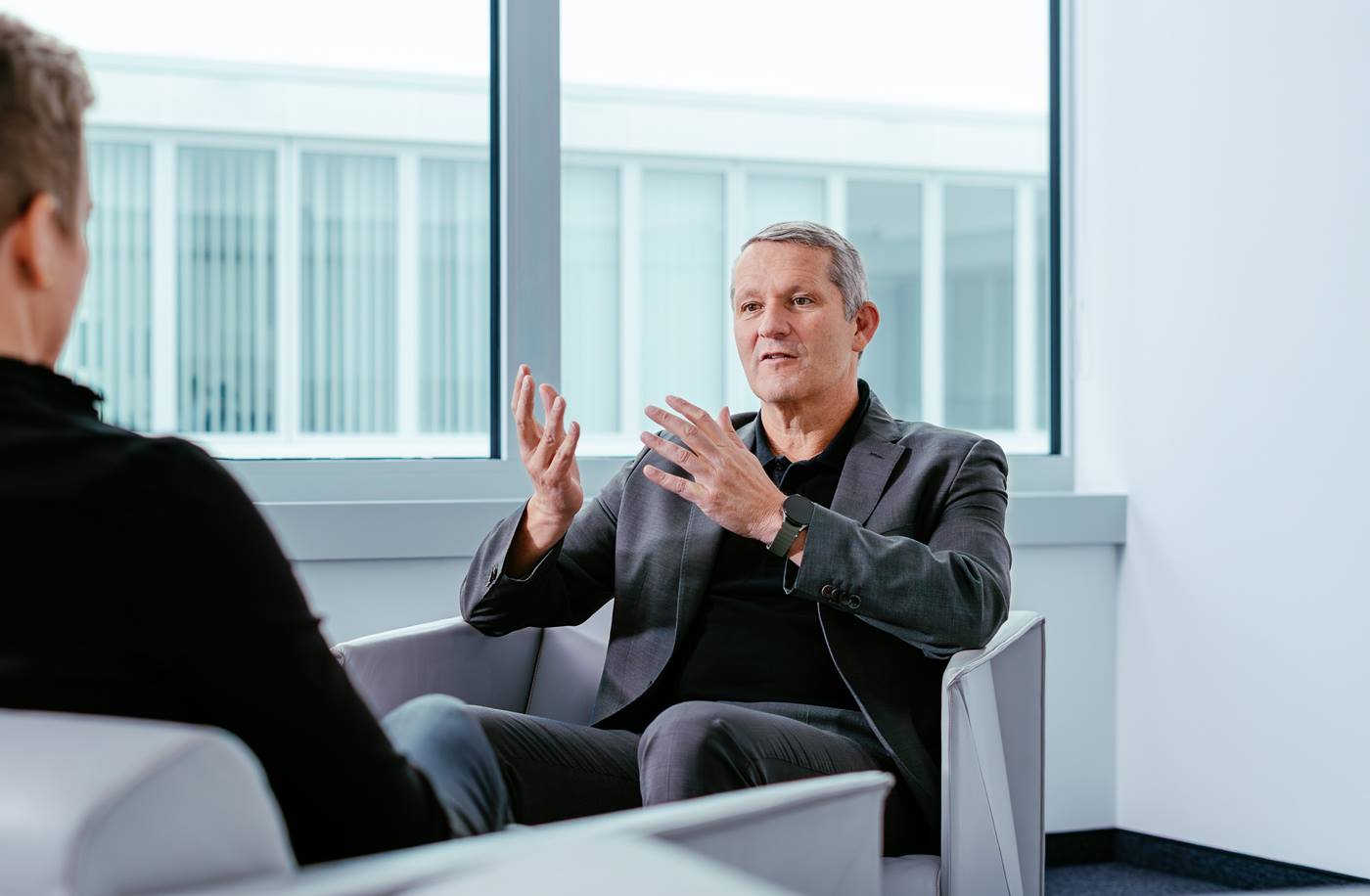
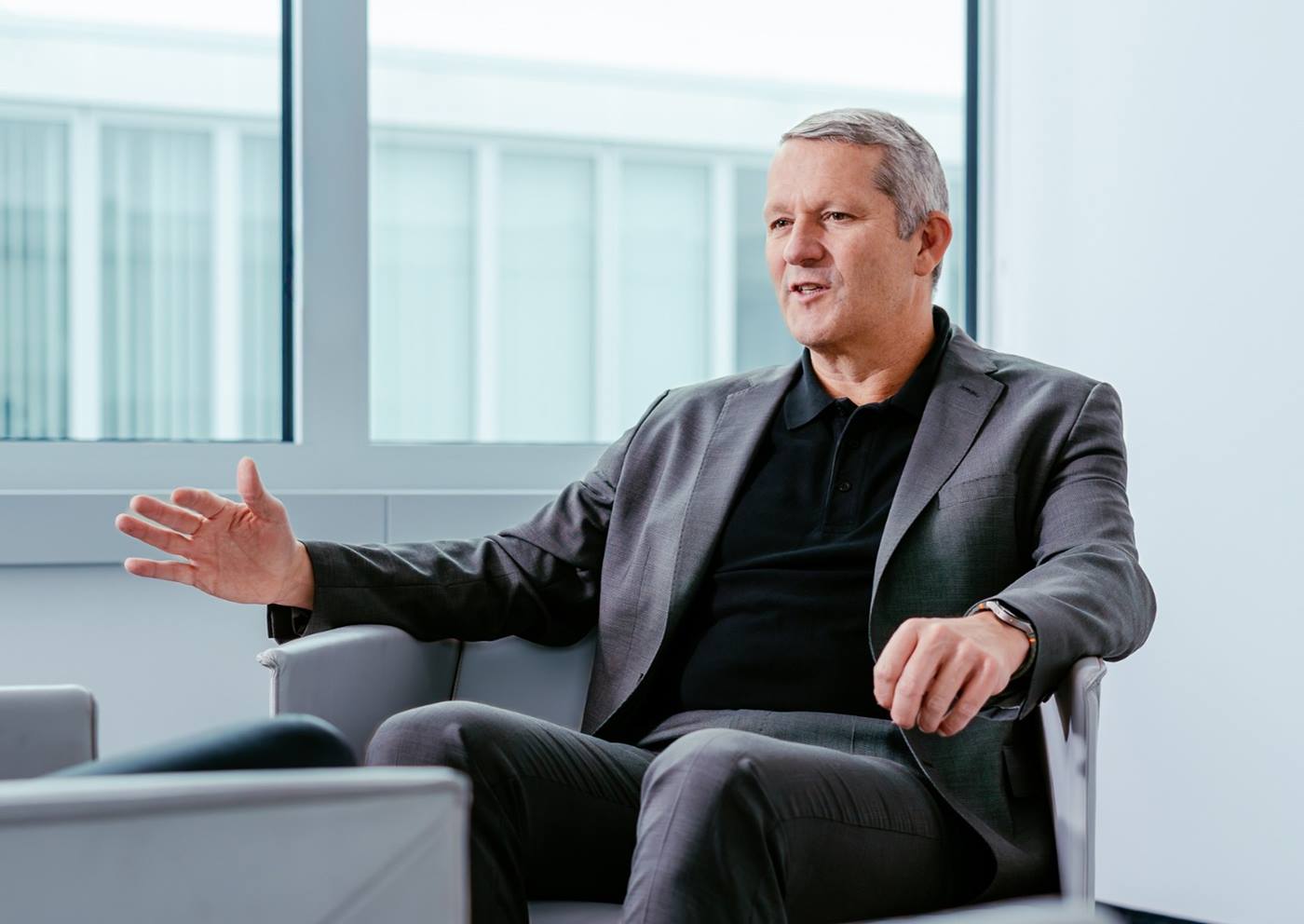
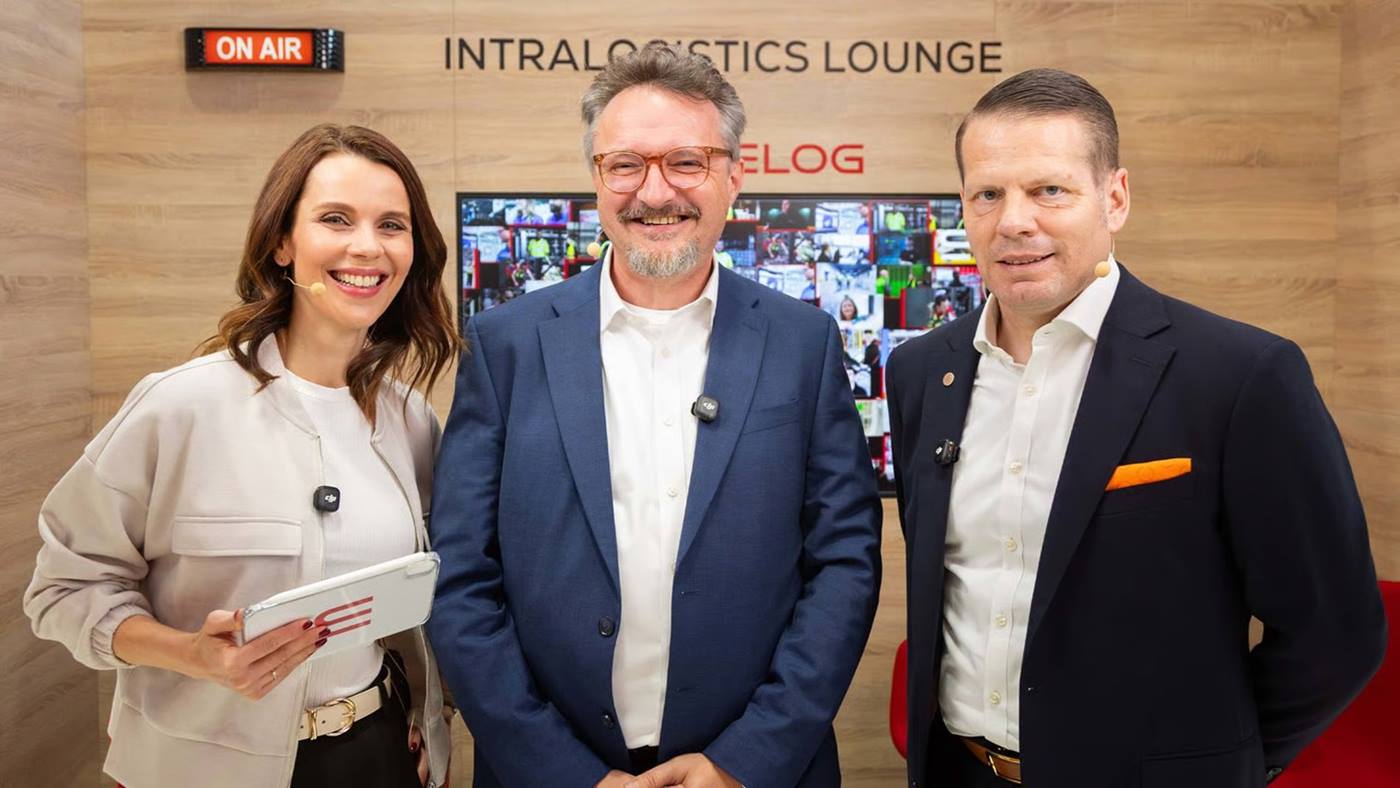
"At the same time as this geographic shift, one of the biggest technological developments in our industry is taking place," says Christoph Schell, CEO KUKA Group.
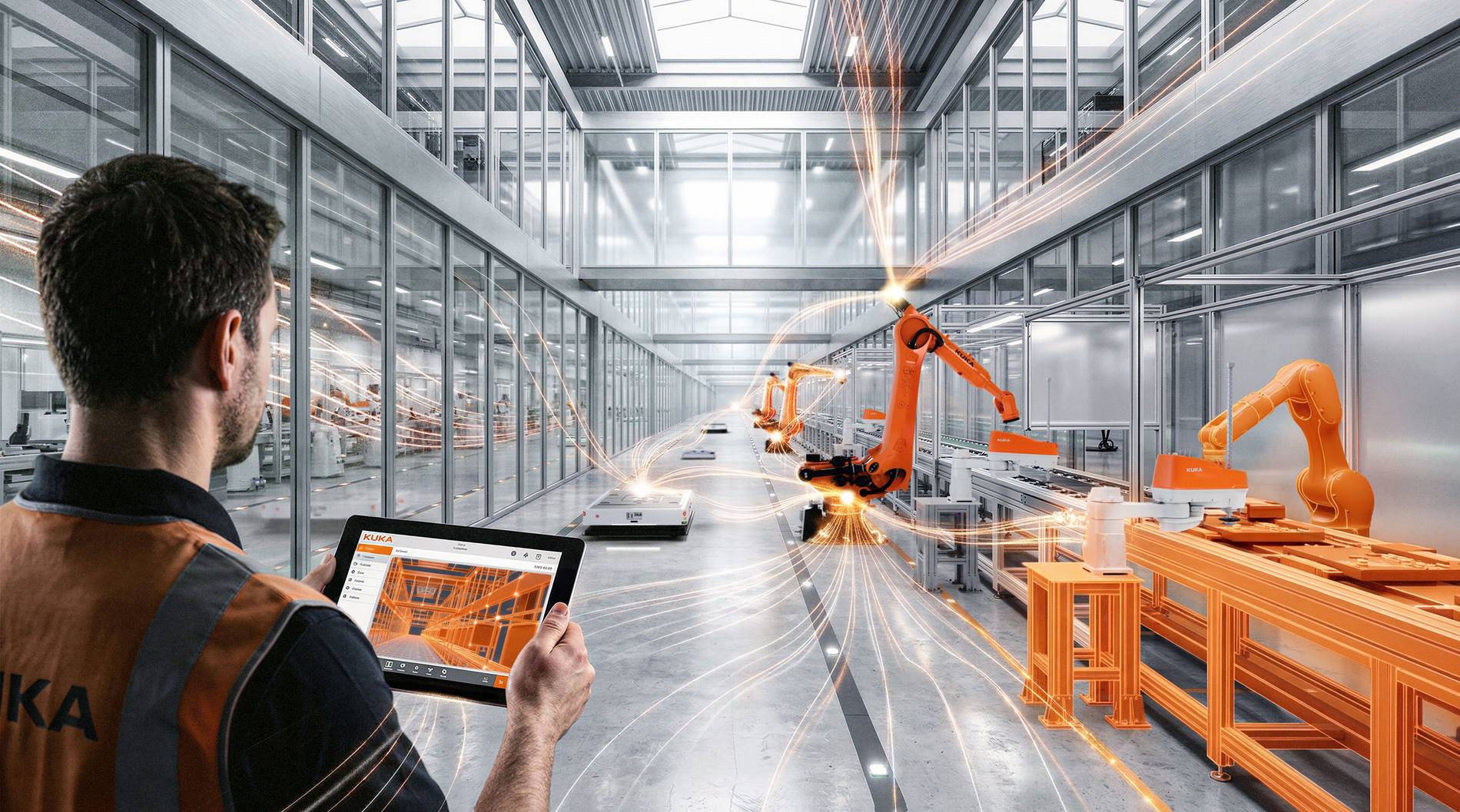
At the same time as this geographic shift, one of the biggest technological developments in our industry is taking place. Automation systems are no longer merely analyzing data or executing pre-programmed sequences. They are increasingly able to perceive their environment, make decisions and act more autonomously in the physical world. This combination of AI and roboticsmarks the transition from Automation 1.0 to Automation 2.0.”
Many companies have successfully relied on classic, rule-based automation for decades. Is it now being replaced?
Christoph Schell: “No, absolutely not. Automation 1.0 remains essential – for KUKA, for many of our customers and for the industry as a whole. It provides stability, productivity and safety, especially in high-volume and safety-critical environments. What we are doing is expanding it: we are augmenting proven, deterministic systems with intent-based and AI-driven capabilities. Automation 1.0 remains the backbone; Automation 2.0 adds flexibility.”
What does ‘intent-based automation’ mean in this context?
Christoph Schell: “Intent-based systems translate a user’s desired outcome directly into decisions and actions. Humans no longer have to define every single step. Instead, the system determines itself how to achieve a goal – based on data, context and learning processes. This significantly accelerates the path from idea to productive deployment.”
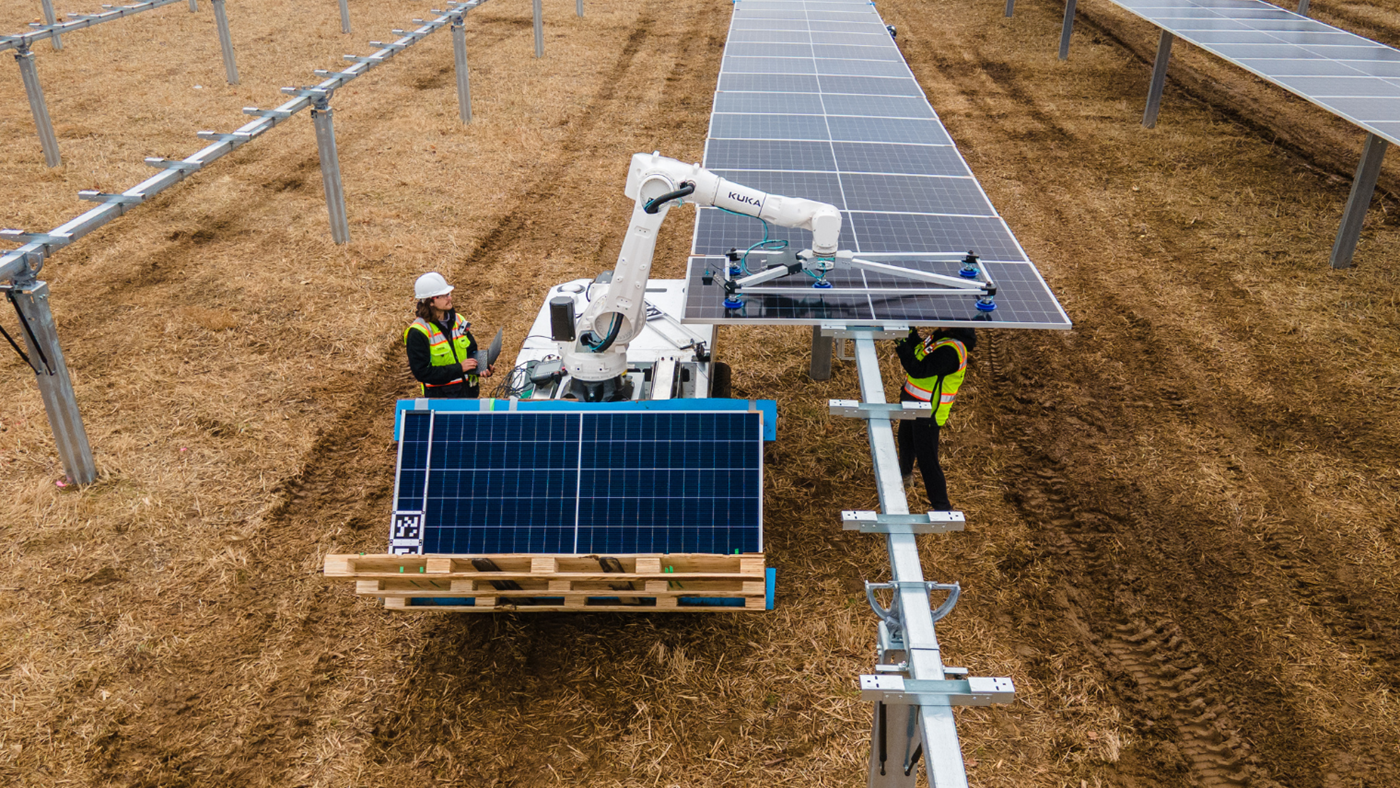
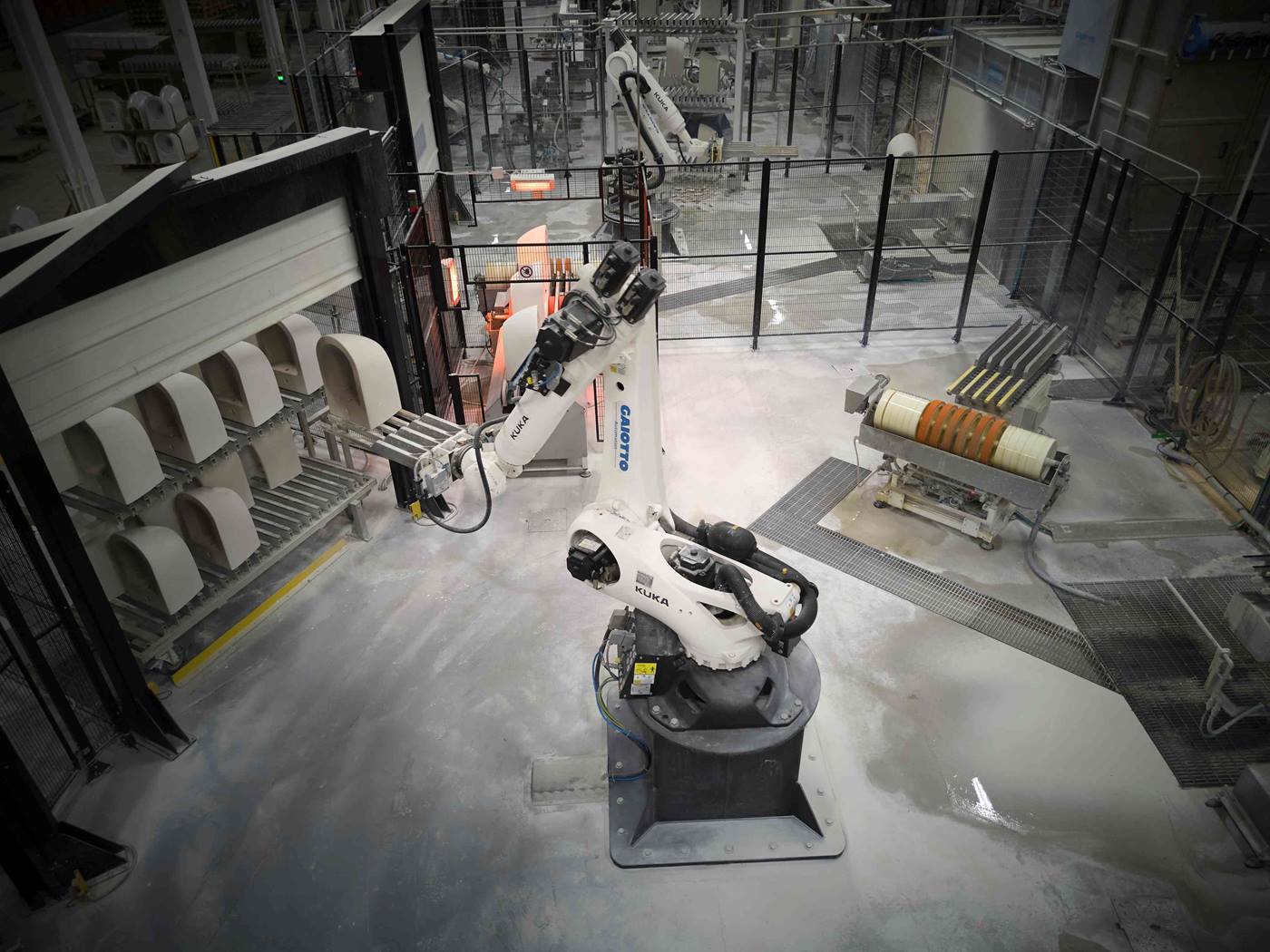
On the path to Automation 2.0, KUKA is complementing proven, deterministic systems with intent‑based and AI‑driven capabilities.
The new KUKA AMP platform plays a central role here. Why is it strategically so important?
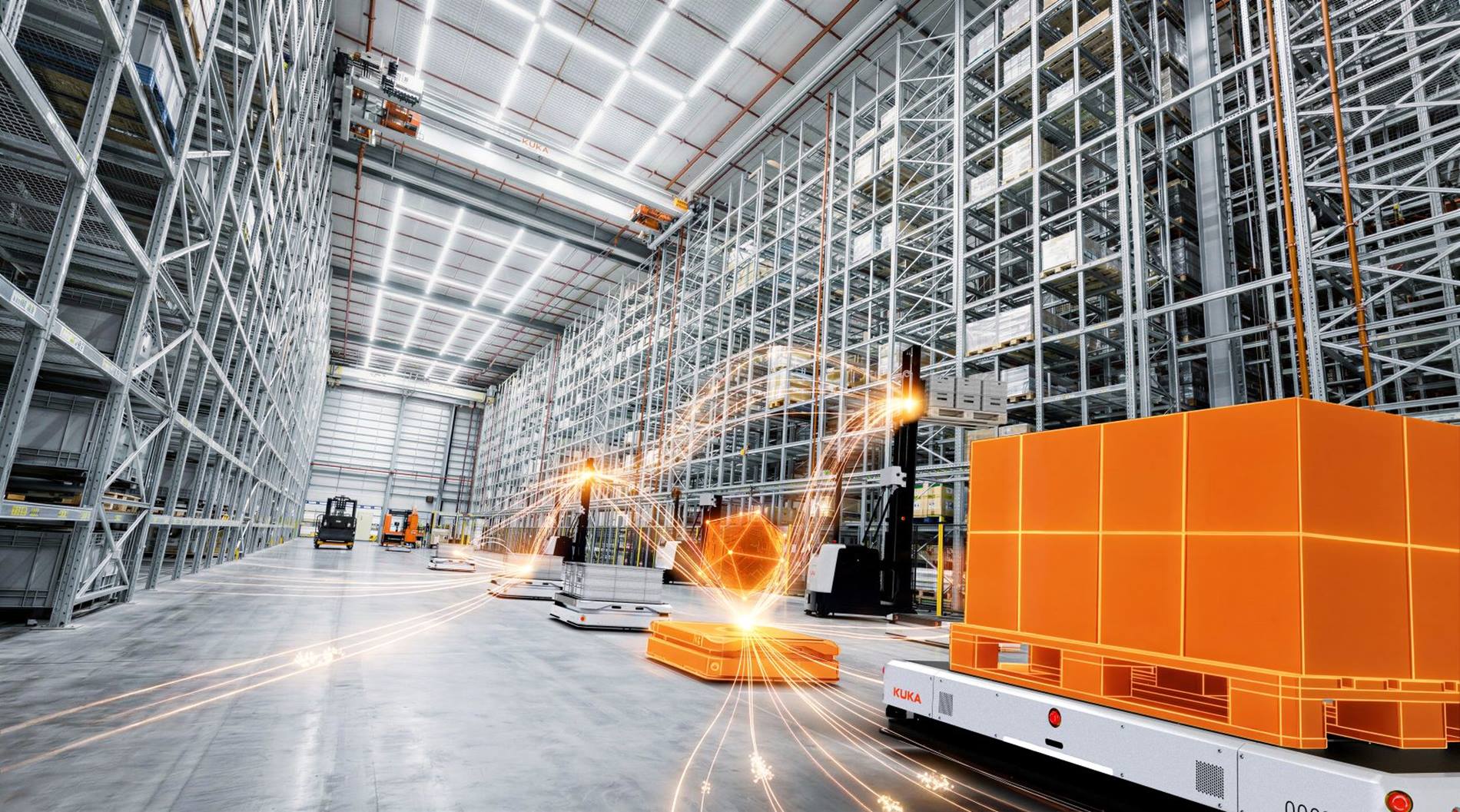
Christoph Schell: “With KUKA AMP – our Automation Management Platform– we connect traditional automation with new, open software approaches. The platform bridges deterministic automation and intent-based orchestration. For our customers, this means automation becomes simpler, more precise, more scalable and more autonomous – across different hardware assets and application areas.”
KUKA AMP was unveiled for the first time at NVIDIA GTC in early 2026. What signal did this send?
Christoph Schell: “GTC clearly showed how closely AI technology and industrial applications are converging. I fully agree with Jensen Huang’s statement that every industrial company will become a robotics company. Seeing a KUKA robot on that big stage and launching AMP at the event underlines our role in this transformation. Physical AI is no longer a future scenario– it is beginning to reshape industrial reality right now.”
At the same time, the global environment is shaped by geopolitical tensions, fragmented markets and unstable supply chains. What role does automation play in this context?
Christoph Schell: “Especially in volatile environments and fragmented markets, automation becomes a strategic stabilizing factor. Our customers need to make their production and supply chains more resilient, more flexible and more regionally adaptable. Automation 2.0 supports exactly this: it helps manage complexity more effectively, enables faster reconfiguration of processes and ensures reliable production even under uncertain conditions.
Physical AI is therefore not just a technological innovation, but a tangible an-swer to a more unstable world. In addition, we are already seeing growth in areas where the combination of deterministic and intent-based systems is being decisively advanced in factory, warehouse and healthcare automation. The opportunity lies not only in technology, but also in a true innovation of the business model, as more and more customers move from transactional models to X as a Service engagements.”
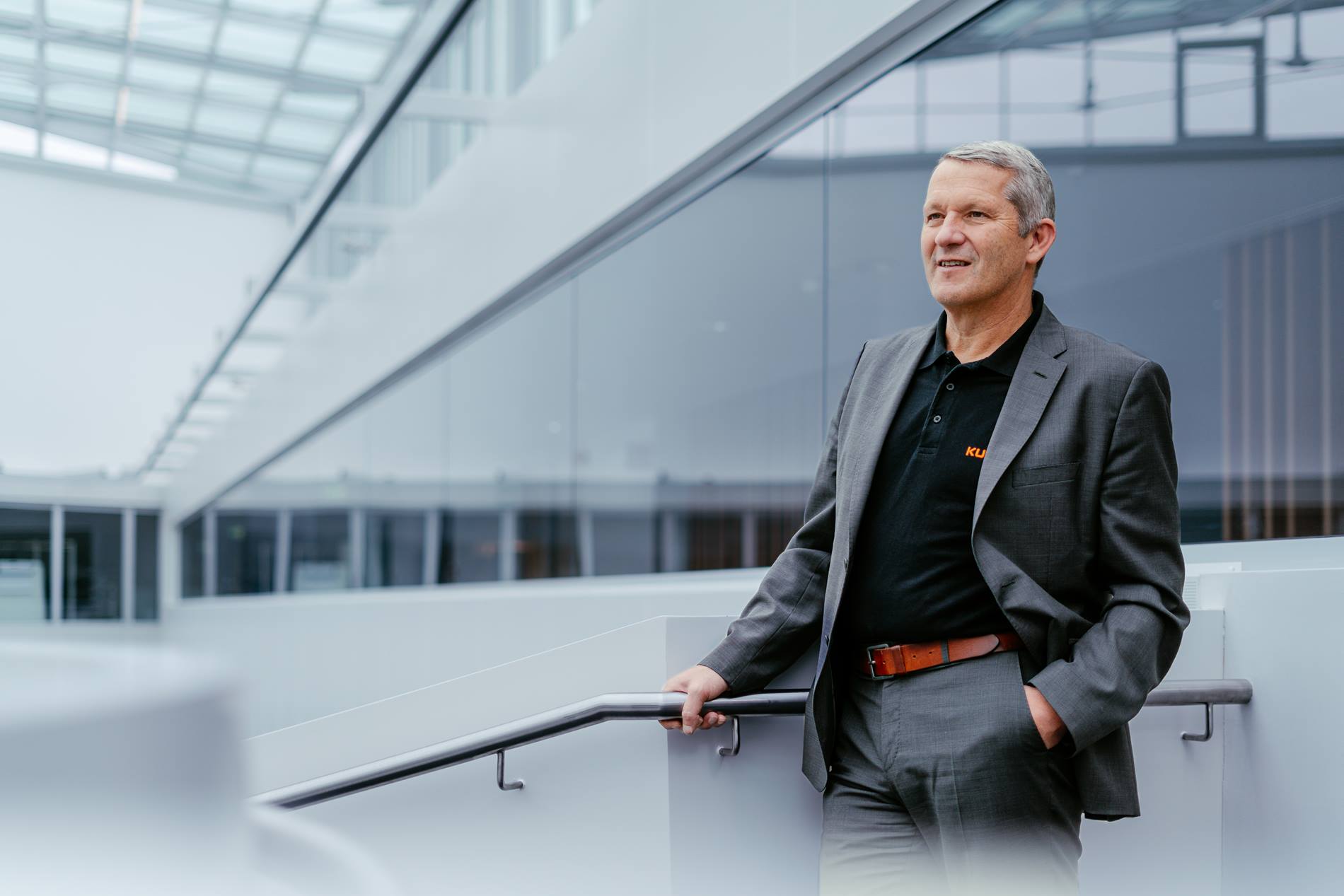
Christoph Schell, CEO KUKA Group: Especially in volatile environments and fragmented markets, automation becomes a strategic stabilizing factor.
How is KUKA Group positioning itself strategically in this increasingly dynamic competitive environment?
Christoph Schell: “We are building on our strengths: deep manufacturing ex-pertise, global presence and an integrated portfolio of hardware, software and digital solutions. At the same time, we are making targeted investments in future fields such as software, AI and modular production platforms. Our ambition is clear: KUKA will continue to play a leading role in the era of Physical AI. This opportunity is real and requires a local approach. At the same time we need to continue to have a relentless focus on cost as the Automation 1.0 reality remains very competitive. And lastly, we have a huge opportunity to better offer solutions to our customers with vertical industry expertise across our segments – this requires the strengthening of KUKA’s market teams across the group and to embrace outcome based business models more.”
This realignment is also reflected in investments.
Christoph Schell: “That’s right. In 2025, we invested €213 million in research and development – more than ever before. This is a clear commitment to innovation and long-term growth. At the same time, we have further strengthened our global footprint, with innovation and application centers in Asia, the United States and Europe. Our 2025 revenue is distributed roughly equally across the EMEA region, the Americas and Asia-Pacific.”
China remains a particularly important market.
Christoph Schell: “China is by far the largest robotics market in the world. In this highly competitive environment, we have further expanded our position and achieved revenues of more than one billion euros in the region for the first time. This underlines China’s strategic importance for KUKA.”
"In China we have further expanded our position and achieved revenues of more than one billion euros in the region for the first time," says Christoph Schell, CEO KUKA Group.
What does all of this mean in concrete terms for KUKA’s customers?
Christoph Schell: “Our customers benefit from a single, strategic automation partner that delivers end-to-end solutions from a single source – from robotics and intralogistics to software, simulation and AI, all the way to complete production systems. The goal is to make automation simpler to deploy, scale and operate worldwide.”
Finally, what do you expect for the coming years?
Christoph Schell: “We are at the beginning of a decade of profound technological transformation. Software, AI, cost efficiency and geographic shifts will be decisive drivers. With Automation 1.0 and Automation 2.0, we are laying the foundation for both our customers and the KUKA Group itself to remain successful and resilient in this environment.”
IT Modernization as the Foundation for AI Readiness: How organizations can create the prerequisites for AI initiatives and a future-ready data landscape.