AI, Robotics and Automation 2.0: How Physical AI Is Transforming Industry
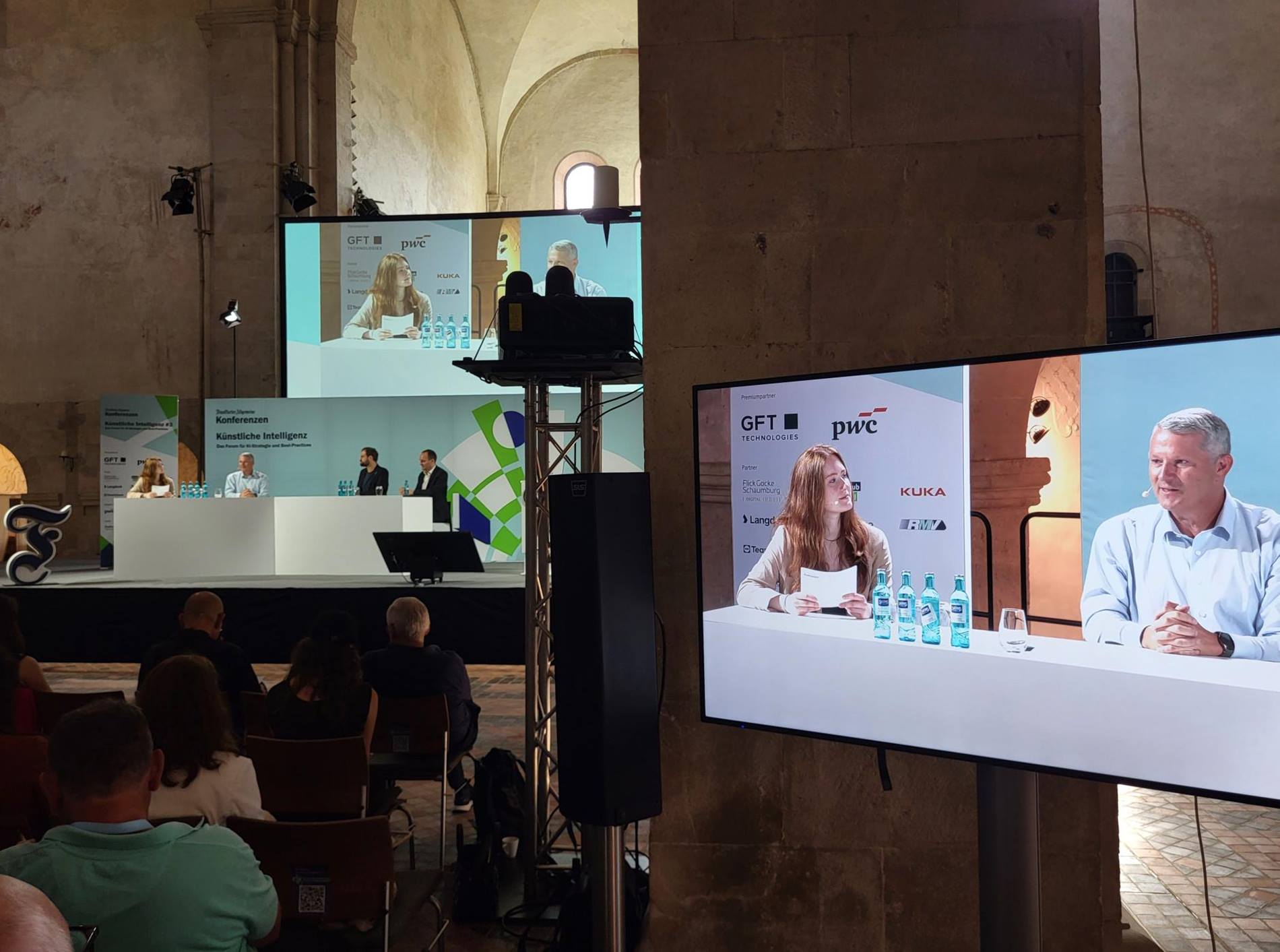
AI is moving beyond the digital world into robotics. At a recent panel discussion in Frankfurt, KUKA Group CEO Christoph Schell and other experts discussed how AI‑driven robotics and Automation 2.0 are taking shape.
At the heart of the discussion was a key concept shaping the future: Physical AI. This refers to the shift from purely digital AI applications to systems that can perceive their surroundings, make decisions, and act autonomously in the real world.
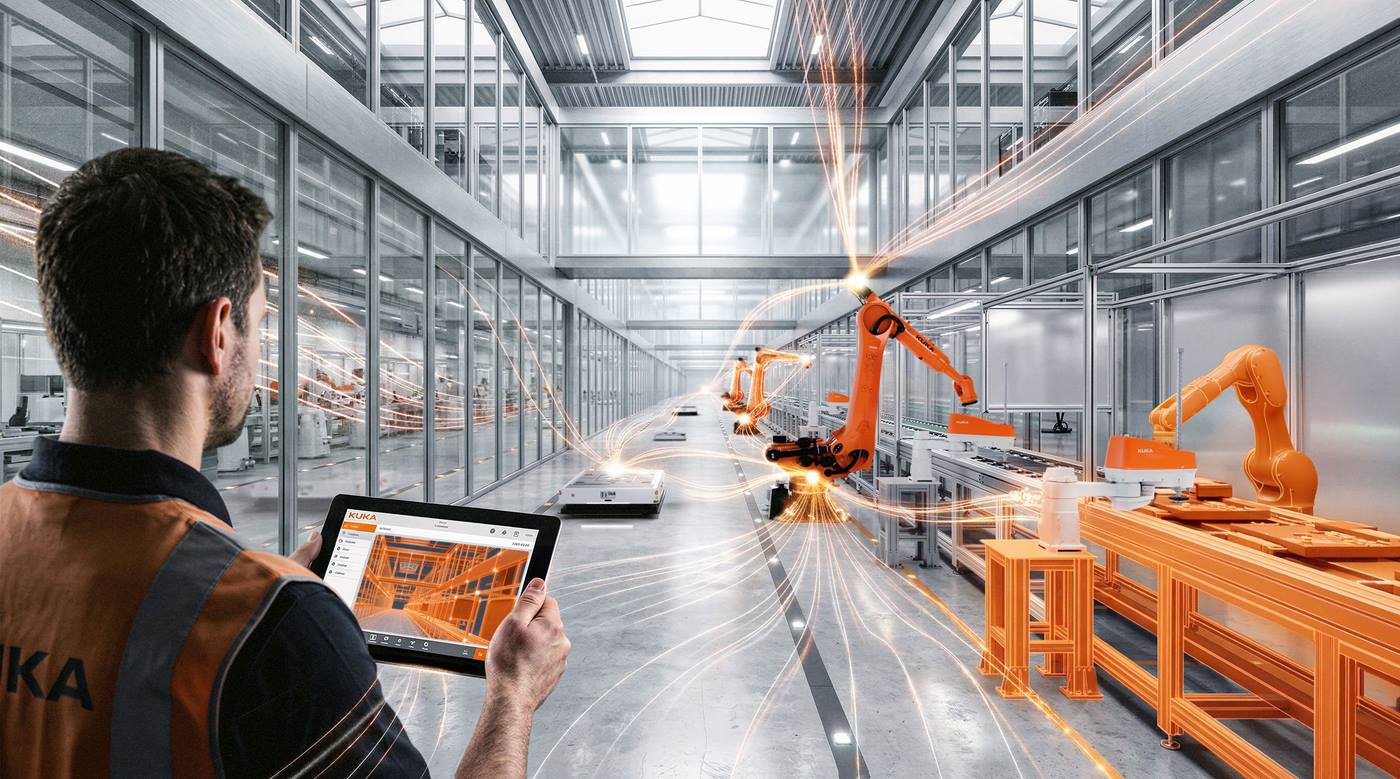
This development signals the start of a new phase in industrial automation. Traditional, pre-programmed processes are increasingly being complemented by adaptive, intelligent, and autonomous systems – a decisive step from Automation 1.0 to Automation 2.0.
For industry, this transition opens up significant opportunities: from flexible, self-adjusting factories and real-time autonomous processes to more robust and resilient supply chains.
At the same time, it became clear that global dynamics remain critical. While the United States is leading in AI innovation and Asian markets are driving large-scale deployment, Europe contributes its industrial strength alongside a strong focus on regulation and trust.
This raises a central question: how quickly can technological innovation, industrial expertise, and collaboration be effectively brought together?
See the discussion to explore how these questions are being addressed and which approaches are emerging:
For a deeper look at Automation 2.0 and the concepts behind it, the KUKA Knowledge Hub provides additional context and insights, including in the article Understanding Automation 2.0: From Physical AI to Intent-Based Automation.