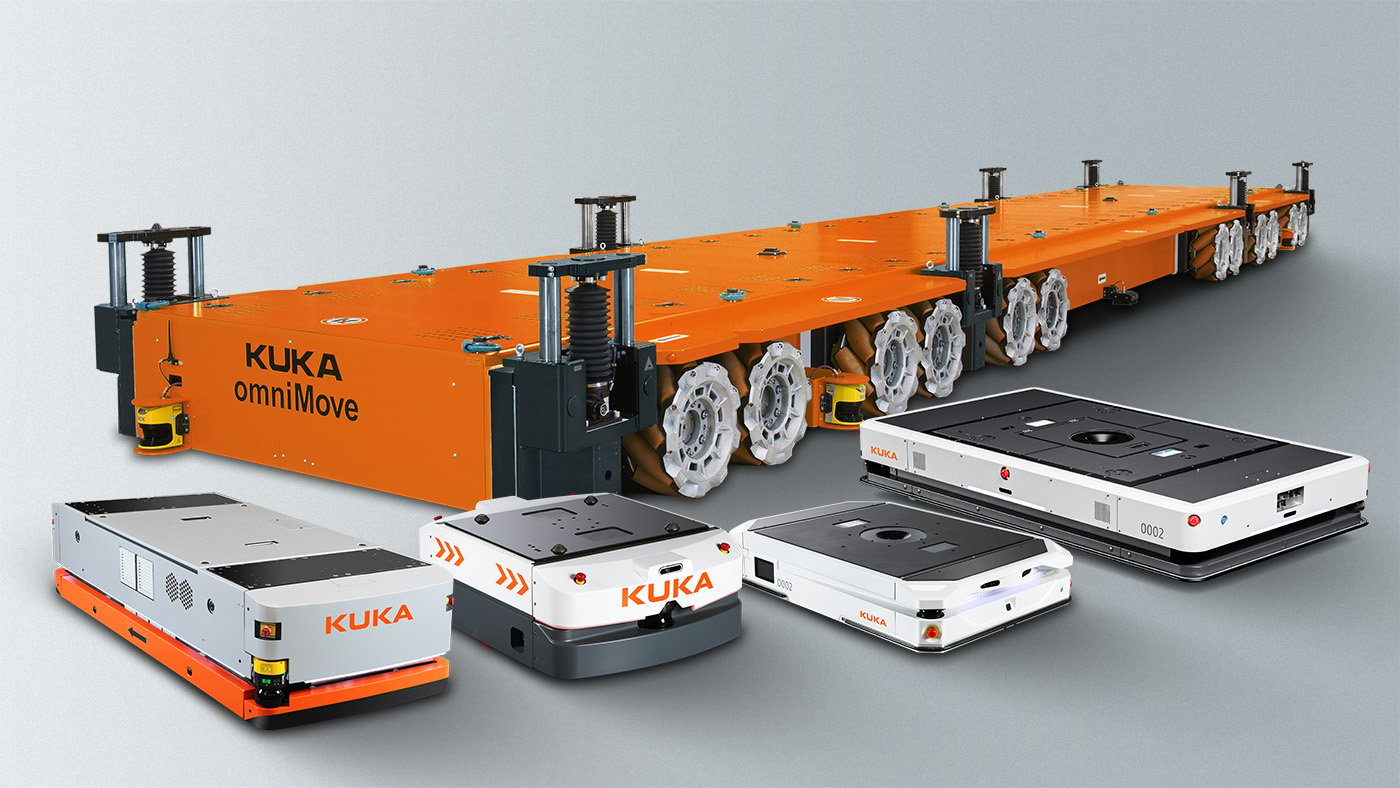
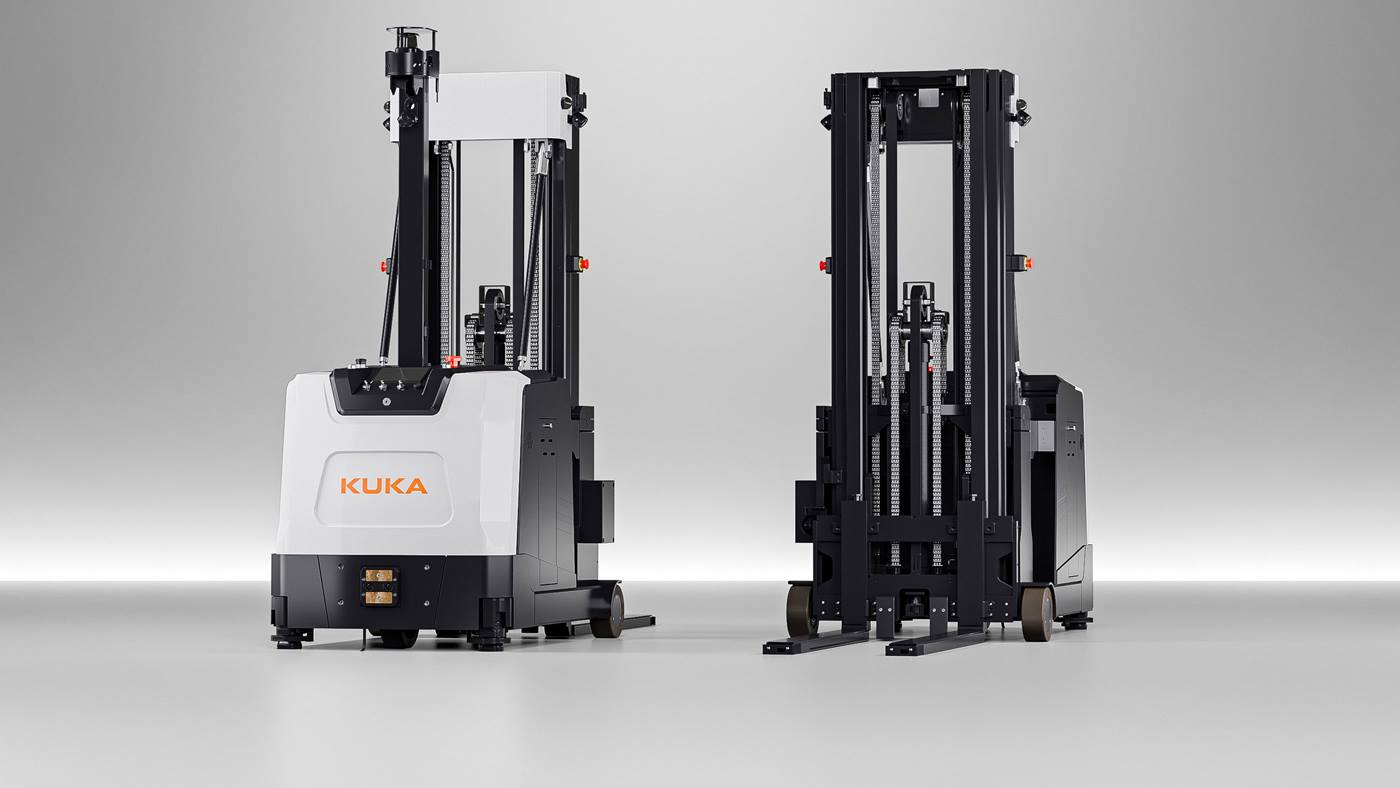
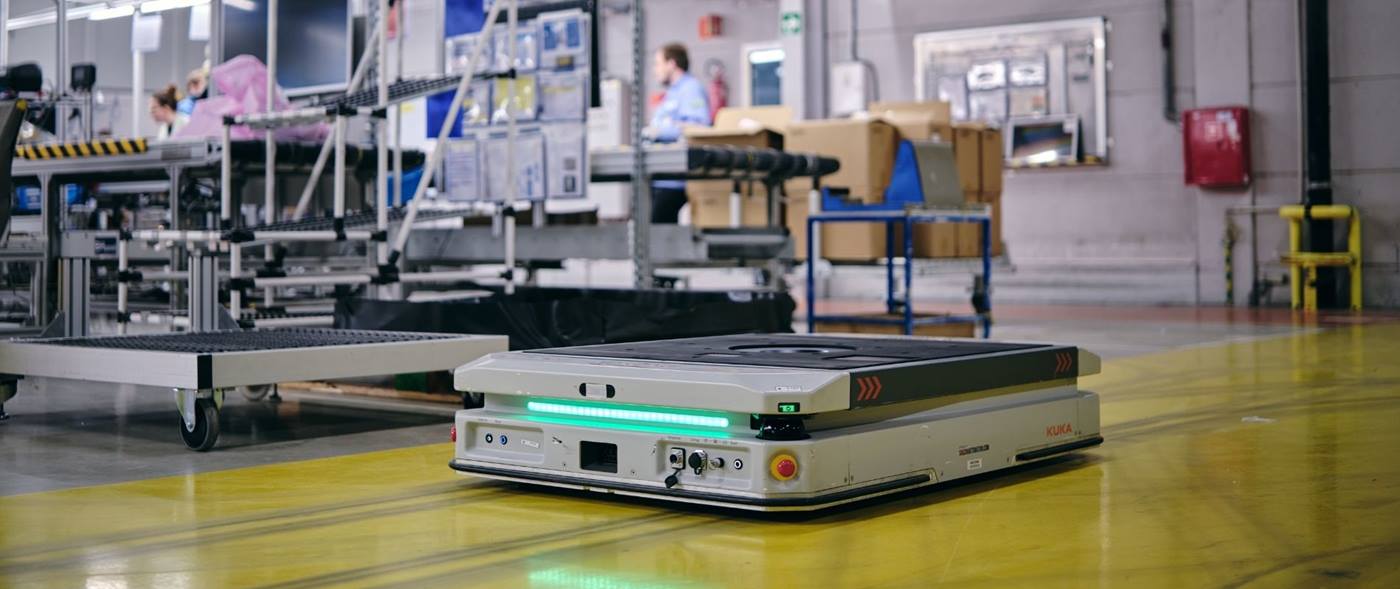
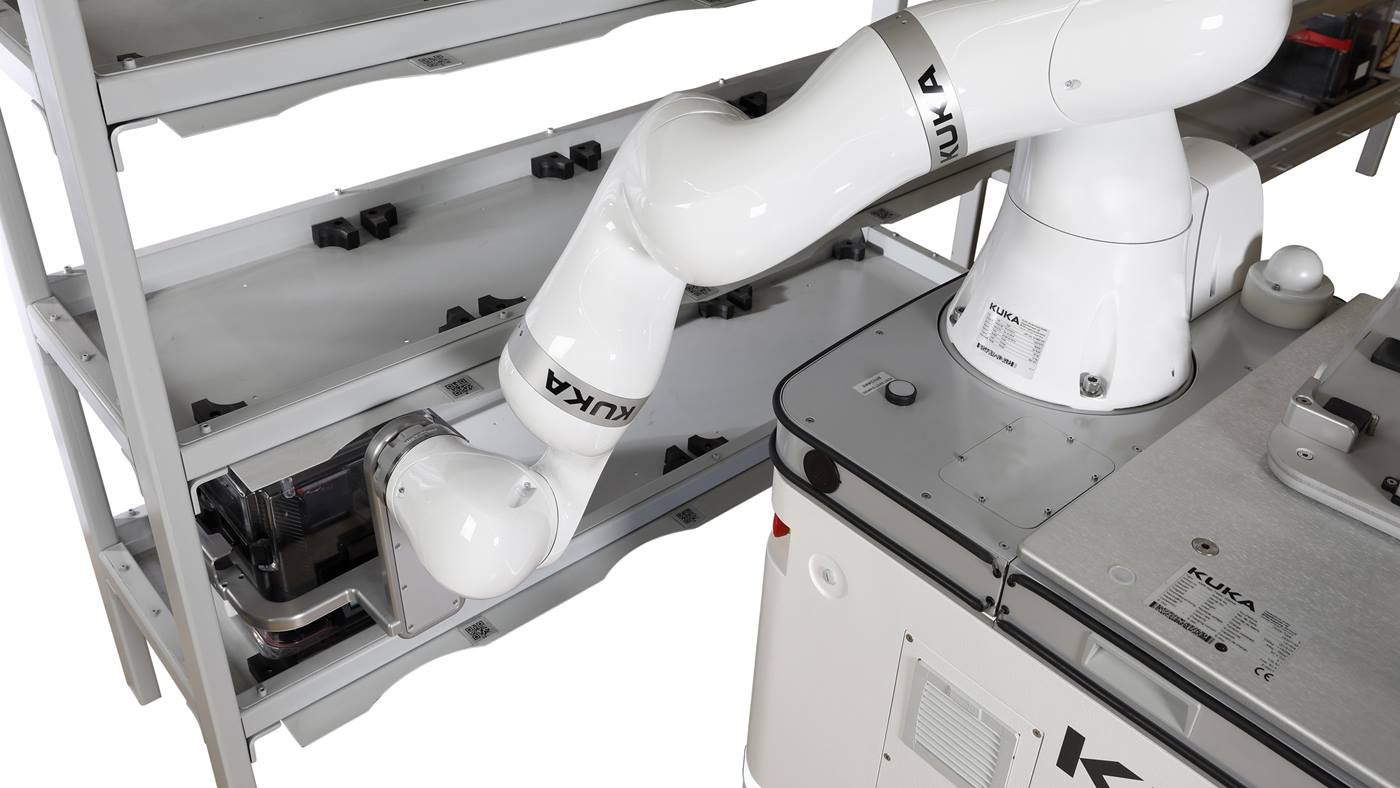
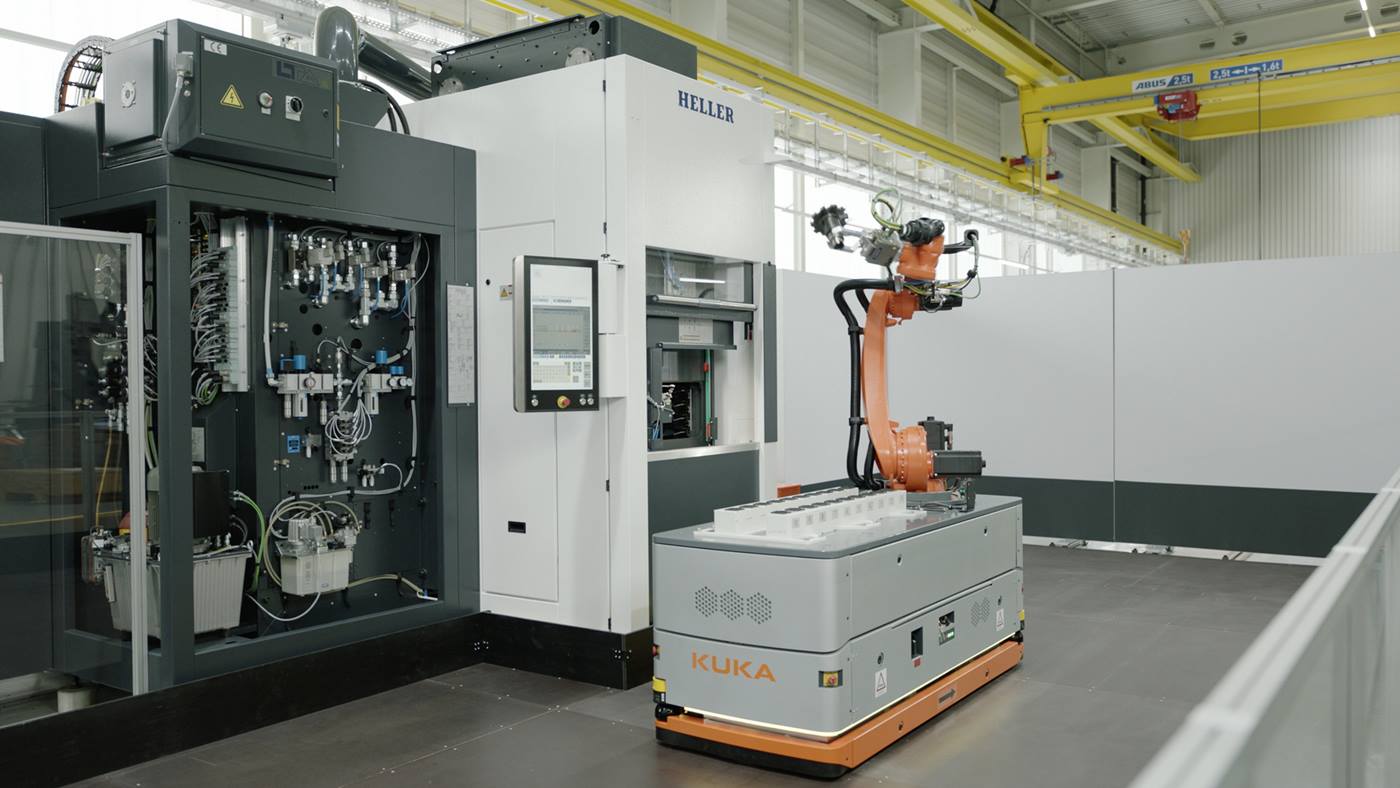
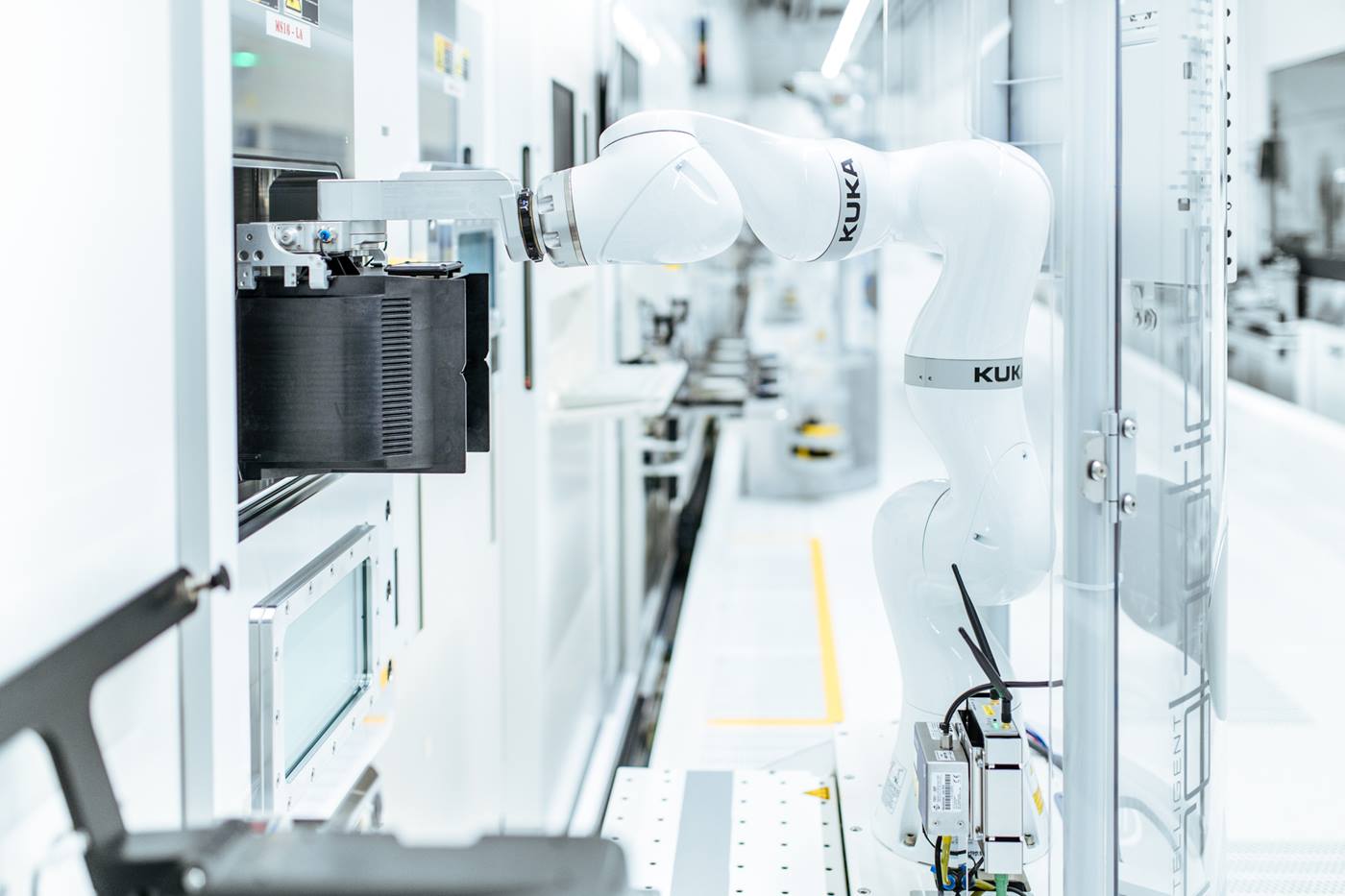
SLAM (Simultaneous Localization and Mapping) is a navigation technology that enables autonomous mobile robots to simultaneously create a digital map of their environment and determine their position within that map in real time.
Using LiDAR, cameras, and advanced sensor fusion, SLAM continuously analyzes the robot’s surroundings to identify landmarks, detect obstacles, and calculate the most efficient route. This allows AMRs to navigate safely and autonomously without relying on fixed infrastructure such as magnetic strips or floor markers.
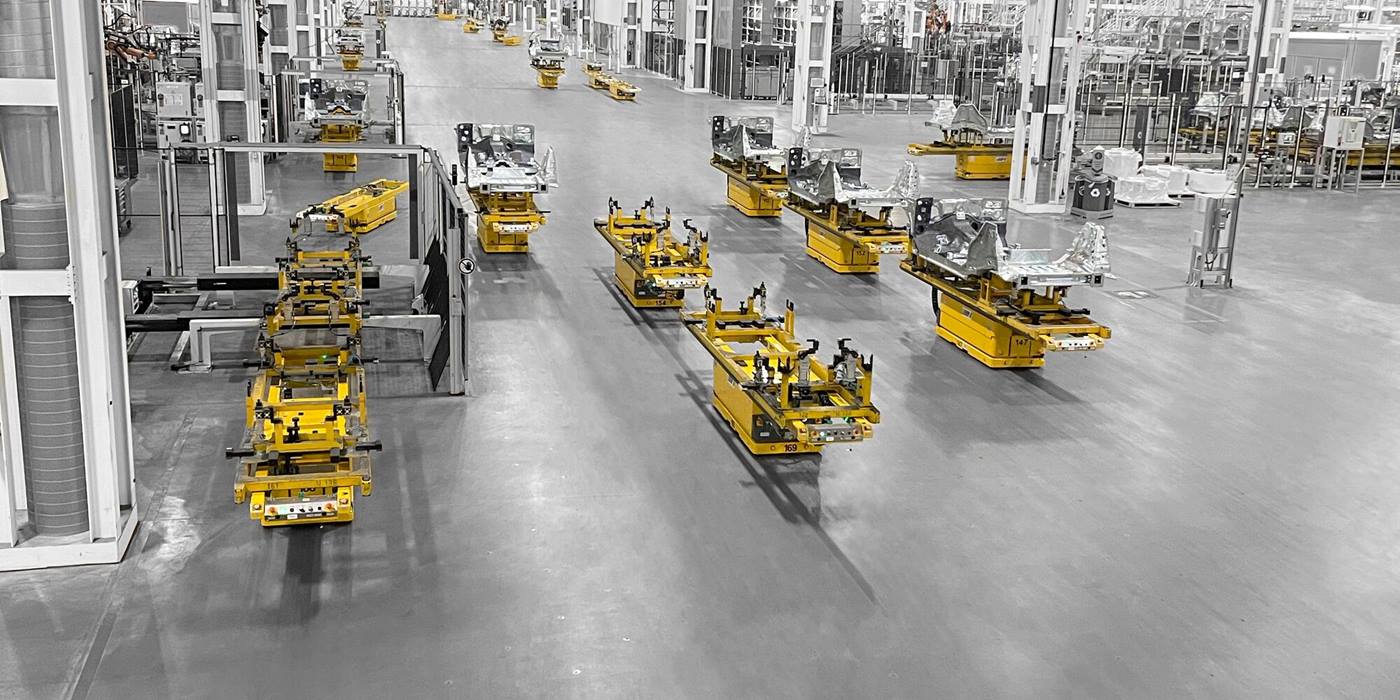
As layouts change, SLAM-based robots can adapt dynamically, making them ideal for manufacturing, warehouse automation, and other environments with evolving workflows and material flows.
自律走行型モバイルロボットの導入では、特にフリートの適切な規模に関して多くの疑問が生じます。その中でもよくある質問が、「実際に何台の AMR が必要なのか?」という点です。
必要な台数は、可搬重量、走行距離、90 度旋回の回数、オーダー数、そして生産・物流環境における交通量など、複数の技術的要因によって決まります。
AMR 計算ツールを活用することで、用途に適した AMR のタイプや必要台数を初期段階で把握できます。このツールは、モバイルオートメーション導入の要件を現実的に評価するのに役立ちます。
How do you integrate AMR into existing enterprise systems (WMS, ERP, or MES)?
KUKA AMRs communicate seamlessly with WMS, ERP, and MES systems. Transport orders, as well as status and process data, are exchanged in real time via standardized APIs and open interfaces. This enables the automation of material flows, increases transparency, and allows for efficient process control. Thanks to VDA 5050, vehicle fleets from different manufacturers can also be managed centrally. Centralized fleet management, real-time monitoring, controlled user access, and audit-ready operational workflows support secure, reliable, and scalable deployments throughout the entire AMR lifecycle.
See how KUKA AMRs enable secure deployment, real-time fleet monitoring, seamless ERP/WMS/MES integration, and reliable operation across production and warehouse environments.
Safety is a core design principle of KUKA autonomous mobile robots (AMRs). Built for operation in dynamic manufacturing and warehouse environments, AMRs continuously monitor their surroundings and automatically react to people, vehicles, and obstacles in real time.
See how KUKA AMRs enable secure deployment, real-time fleet monitoring, seamless ERP/WMS/MES integration, and reliable operation across production and warehouse environments.
移動ロボットはどのようなナビゲーション技術を使っていますか?
ナビゲーション技術には、さまざまなタイプがあります。KUKAのAMRでは、自律制御に理想的なSLAM法 (Simultaneous Localisation and Mapping = 同時ローラ会ゼーションおよびマッピング) を採用しています。センサー情報は正確に記録され、ローカリゼーション (ロボットの位置と向きの特定)とマップ生成の両方のために数学的アルゴリズムと組み合わされます。
No magnetic strips or floor guides are required for the use of AMRs. The vehicles navigate using sensors and create digital maps of their surroundings. They require sufficient travel paths, charging and handoff stations, a network connection, and an environment suitable for navigation. Layout changes can usually be integrated flexibly.
How do I correctly and efficiently commission an AMR robot?
KUKA offers technicians a structured and practical introduction to commissioning AMR robots. Specially developed training videos help you to implement all relevant steps safely and efficiently – from unboxing and commissioning to safety checks and basic operation. This shortens the commissioning time, avoids typical errors, and ensures the safe and smooth operation of your autonomous vehicle.