Select your location:

Location

Select your language:

  • German
  • English
AGV- AMR_autonomous mobole robotics in logistic and production

AGVs and AMRs compared: How to find the perfect solution for your operations

Companies are facing the challenge of making material flows more efficient – both in manufacturing and in intralogistics. Traditional transport solutions such as forklifts and conveyor belts often become expensive and inflexible over time: high infrastructure costs and staff shortages reduce their flexibility and slow down the expansion of modern material flows in the warehouse and factory. Autonomous vehicles such as AGVs and AMRs are leading the way here – they adapt to dynamic supply chains, reduce effort and cost, and make logistics fit for the future.


AGV or AMR Automation – Understanding the differences in driverless transport

At first glance, AGVs (Automated Guided Vehicles) and AMRs (Autonomous Mobile Robots) appear similar: both systems perform transport tasks autonomously and increase safety and efficiency in material flow. However, they differ significantly in terms of their technology, particularly in navigation, flexibility, and technical architecture. Below, we outline the most important differences, advantages, and areas of application.

What is an AGV?

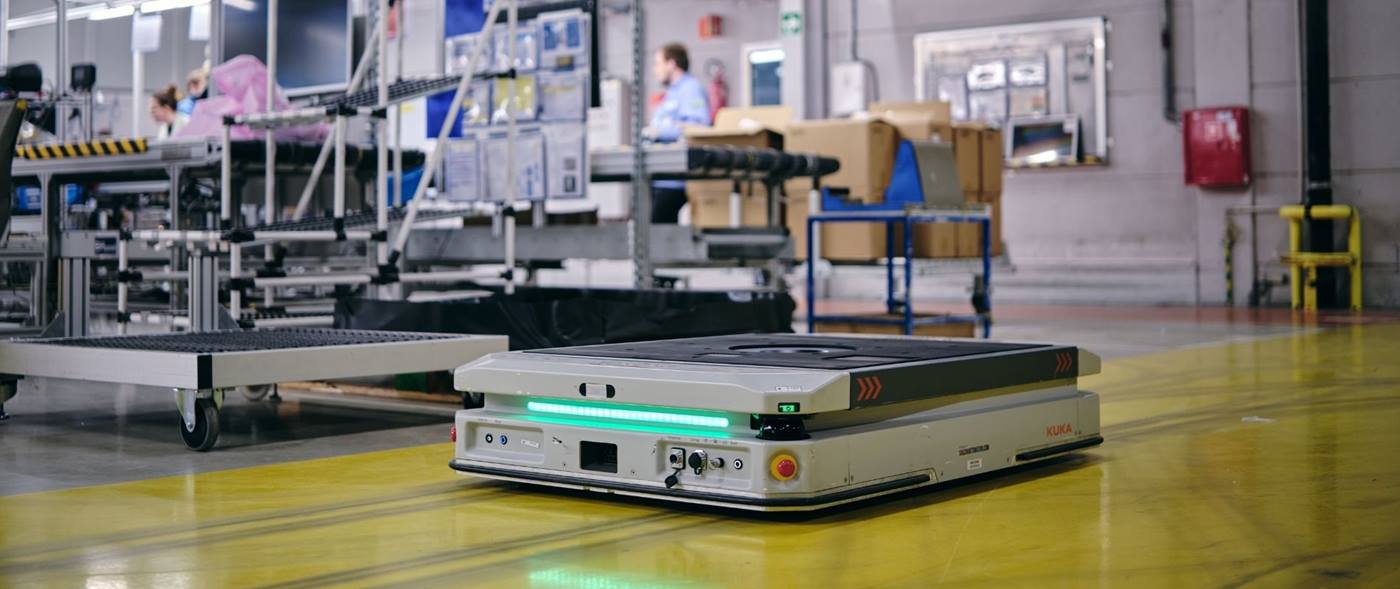
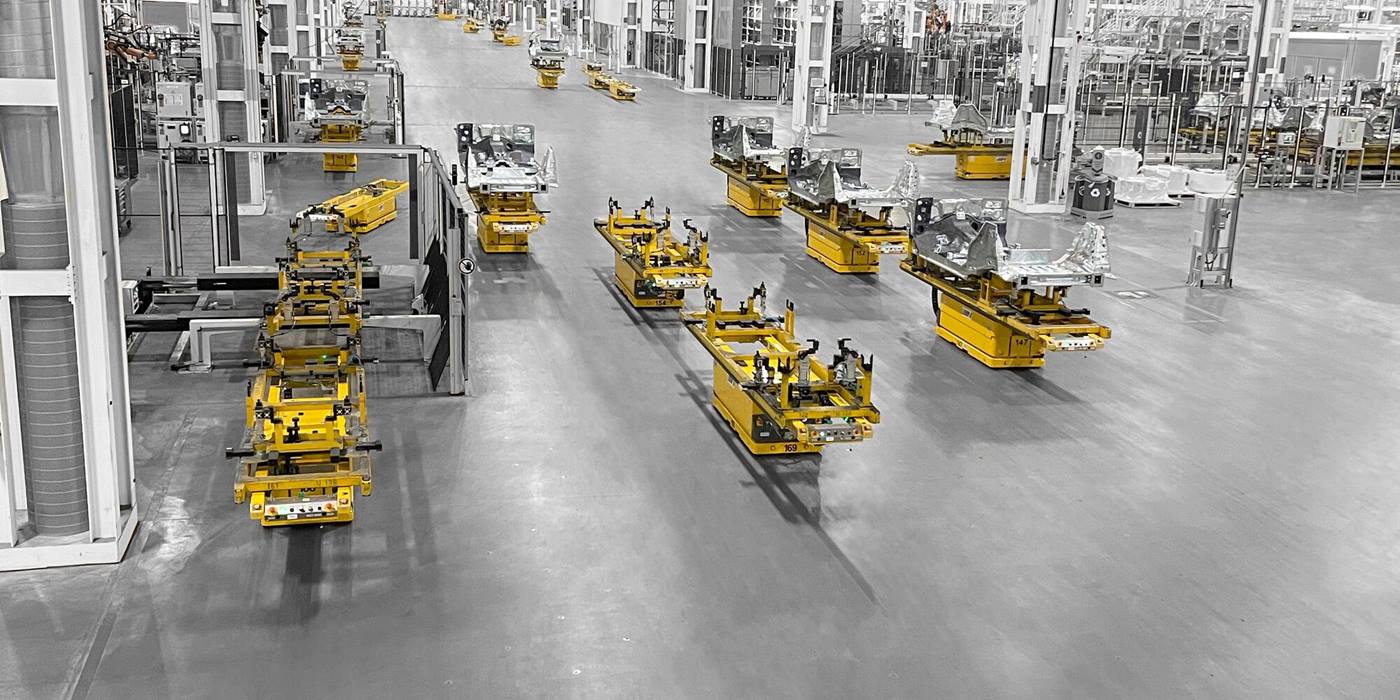
An Automated Guided Vehicle (AGV) is a driverless transport system that operates on predefined routes, typically guided by floor markings, magnetic wires, QR codes, or optical lines. AGVs offer easy integration and high process reliability, making them ideal for standardized workflows with clearly defined transport paths. They are a proven, cost-effective solution for environments where processes remain stable and rarely change.

AGV (Automated Guided Vehicle) and AGVS (Automated Guided Vehicle System) are often used synonymously: AGV refers to the individual vehicles, while AGVS refers to the entire system.

What is an AMR?

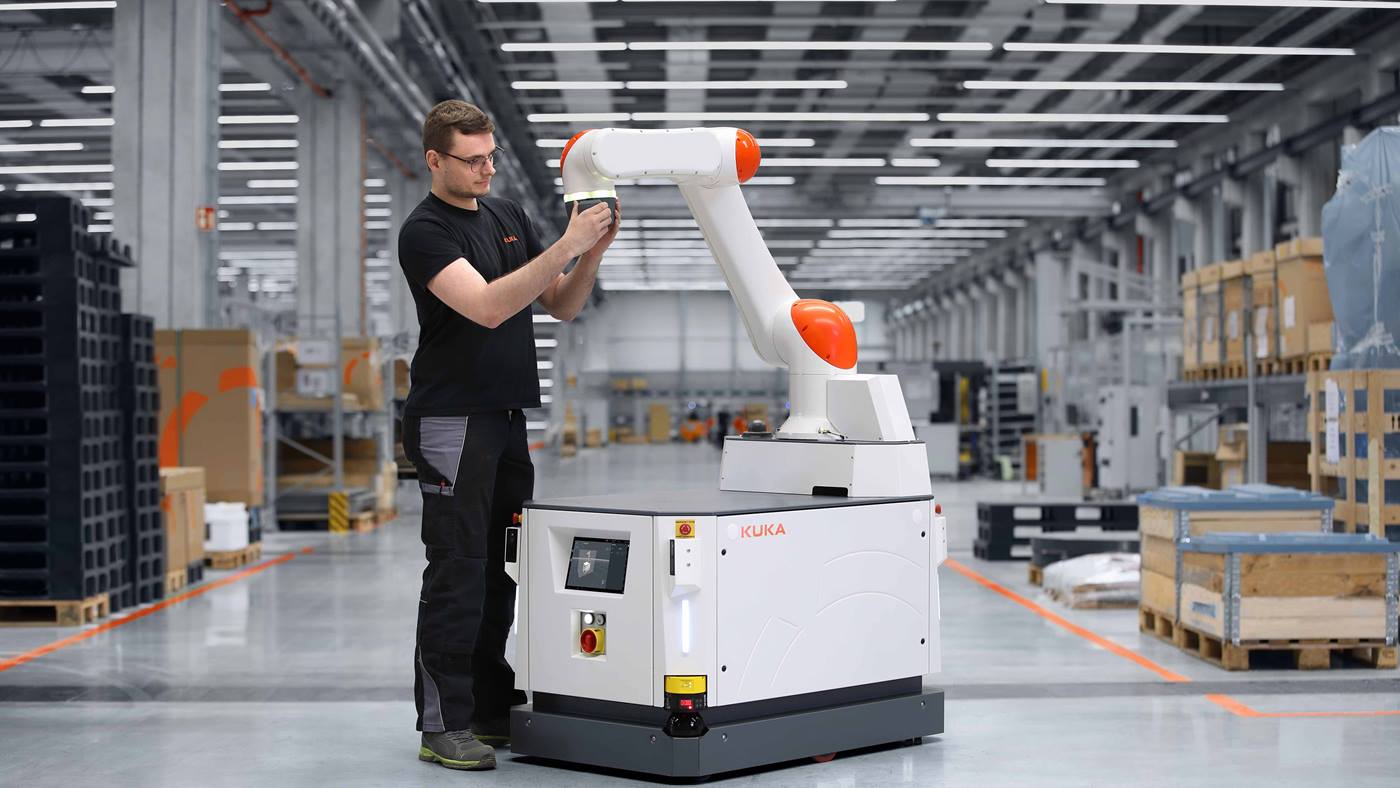
An Autonomous Mobile Robot (AMR) is a self-driving system that moves materials or goods in industrial and commercial environments without human intervention. Unlike AGVs, AMRs navigate dynamically using advanced sensors, 3D cameras, and digital maps. They detect obstacles, avoid collisions, and adjust routes in real time, ensuring safe interaction with people. AMRs are best suited for environments with frequently changing processes, reducing risks and improving workplace safety.

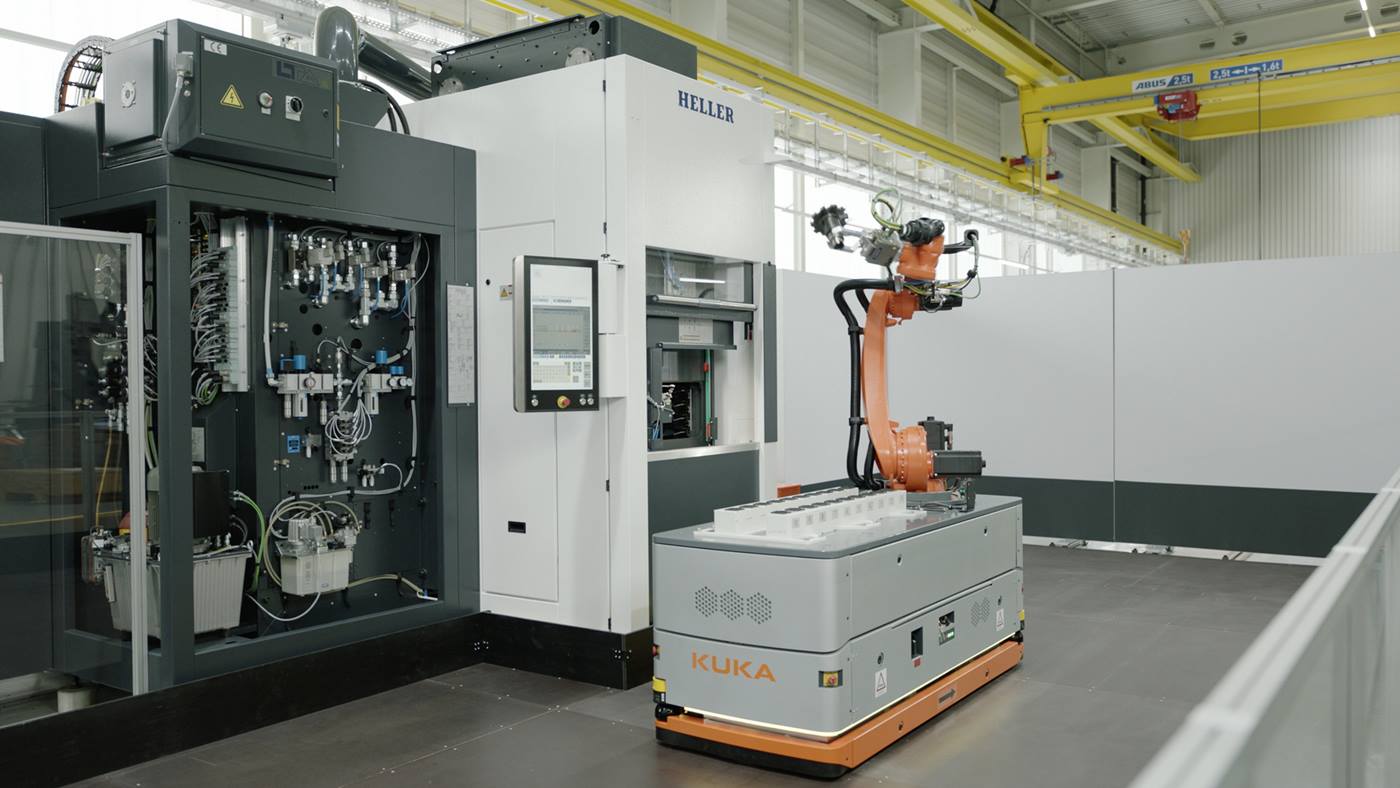
Autonomous mobile robot in a dynamic production environment with humans
Mobile Robots AMRs rely on SLAM navigation, precise positioning, 3D cameras, and intelligent charging technology to enable adaptable applications.

Differences between AGVs and AMRs

Feature Guided Vehicle AGV Mobile Robot AMR
Navigation Operates along fixed pathes, guided by magnetic wires, QR codes, or floor markings. Navigates dynamically using sensors, cameras, and SLAM (Simultaneous Localization and Mapping).
Flexibility Limited adaptability to changes in production layouts. High flexibility, adapts to dynamic environments in real time.
Adaptation of routes & fleet Difficult to adjust, often requires structural changes. Flexibly scalable and adaptable via software – no conversion required.
Infrastructure requirements Higher risk of infrastructure-related downtime and maintenance costs when changes are needed. Physical guidance systems like magnetic tape or wires increase complexity and maintenance effort. Lower infrastructure costs and minimal physical maintenance, with faster deployment. Maintenance focus shifts to software updates and sensor calibration – ideal for dynamic environments.
Sensors AGVs use basic sensors, primarily for collision avoidance. AMRs use advansed sensors (LiDAR, cameras) for environment detection, navigation and dynamic response.
Safety Basic protection, often reliant on external safety equipment. Integrated safety mechanisms that detect people and obstacles and actively respond to them.
Applications Commonly used in automotive assembly lines and warehouses with predictable layouts. Handle material transport, production supply, and warehouse automation across industries such as automotive, electronics, logistics, food, and pharmaceuticals.
Advantages Proven, cost-effective solution for standardized processes. Intelligent, scalable solution for complex and changing requirements.
Disadvantages AGVs have limited flexibility and are heavily dependent on infrastructure and wires. AMRs can be more expensive than basic AGVs, but thanks to technological advances they are now comparable in cost and offer greater flexibility and easier integration.

AGV or AMR – which system is the right choice for your company?

Not every system is equally efficient everywhere. We analyze which technology is best for your warehouse or factory environments and which functions are actually necessary. Benefit from personalized management advice and tailor‑made solutions expertise for businesses.

Types of AMR for different tasks

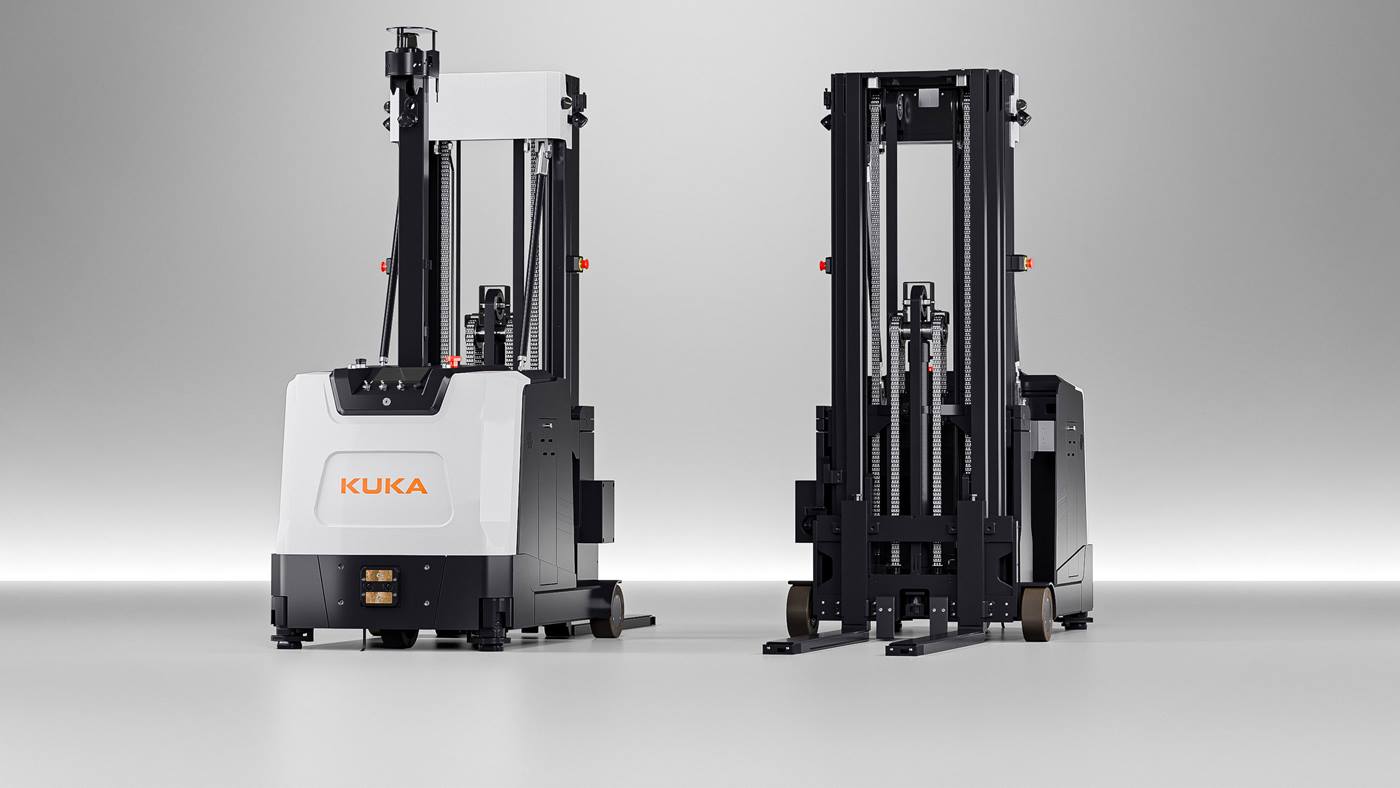
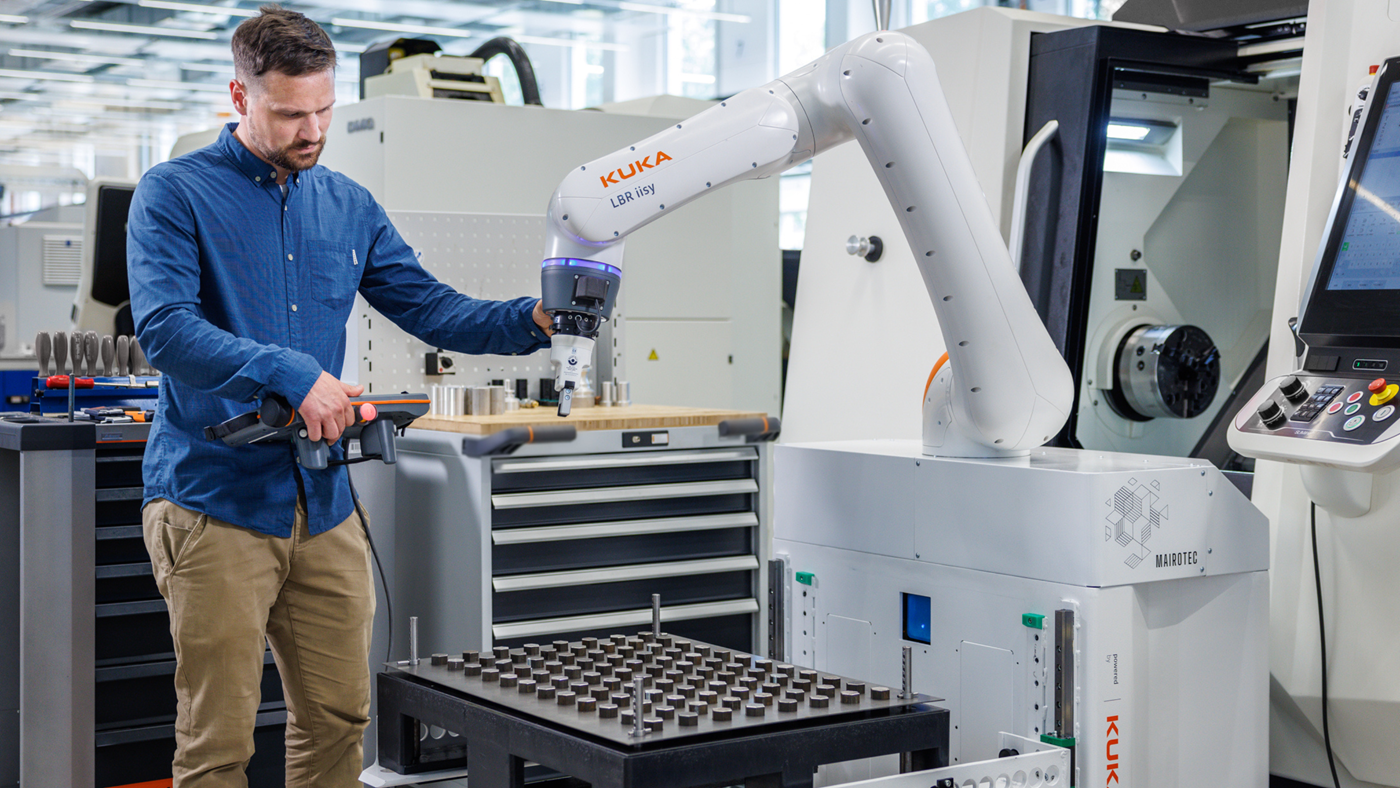
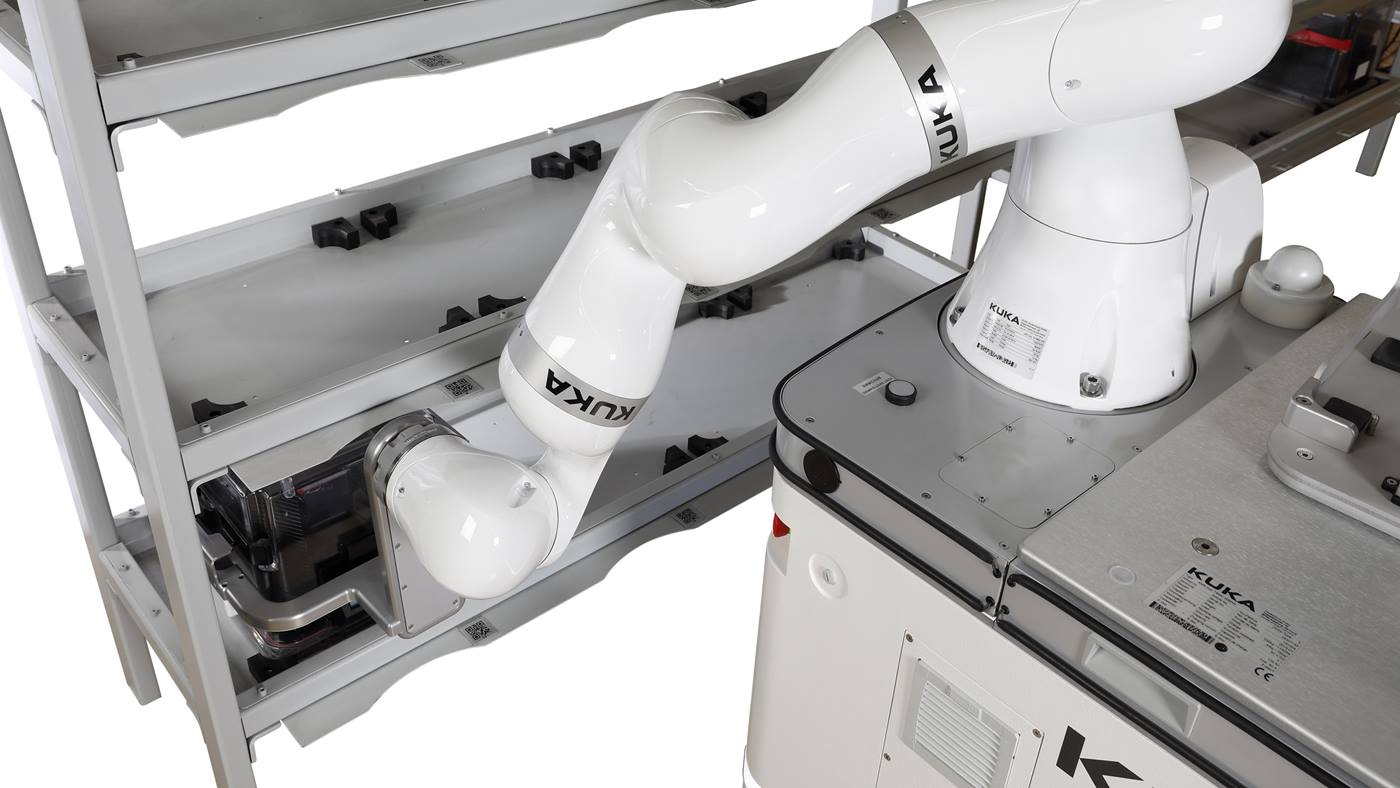
Depending on requirements and the application environment, companies can choose from a range of AMR systems – from topload applications and autonomous mobile robots with manipulators to AMR tuggers. These versatile robots perform tasks such as transport of pallets and packages safely and precisely using integrated lifting platforms, move shelves and trolleys through production and warehouse areas, or handle complex applications like machine loading and quality control directly on the production line. In addition, AMRs can be equipped with conveyor belt modules to reliably pick up products at the end of the line and automatically forward them.

Used Tags

AutomationLogistics